The journey of an independent film from a filmmaker’s dream to a global audience has been transformed by a democratisation of tools and distribution channels that was almost unimaginable a generation ago. High-quality cameras, editing software, and visual effects are now accessible at a fraction of their former cost, erasing the technical barriers that once separated major studios from indie upstarts. In New Zealand, this has empowered a wave of storytellers to craft narratives that speak to local realities without softening the edges for an assumed international palate. A drama set in a small rural marae or a coming-of-age story in South Auckland can now be shot with cinematic beauty and, crucially, find its audience across continents without requiring a star-studded cast or a multi-million-dollar marketing campaign. The gatekeeping power of the traditional sales agent and festival circuit, while still influential, has been augmented by direct pathways to viewers who crave authentic voices.
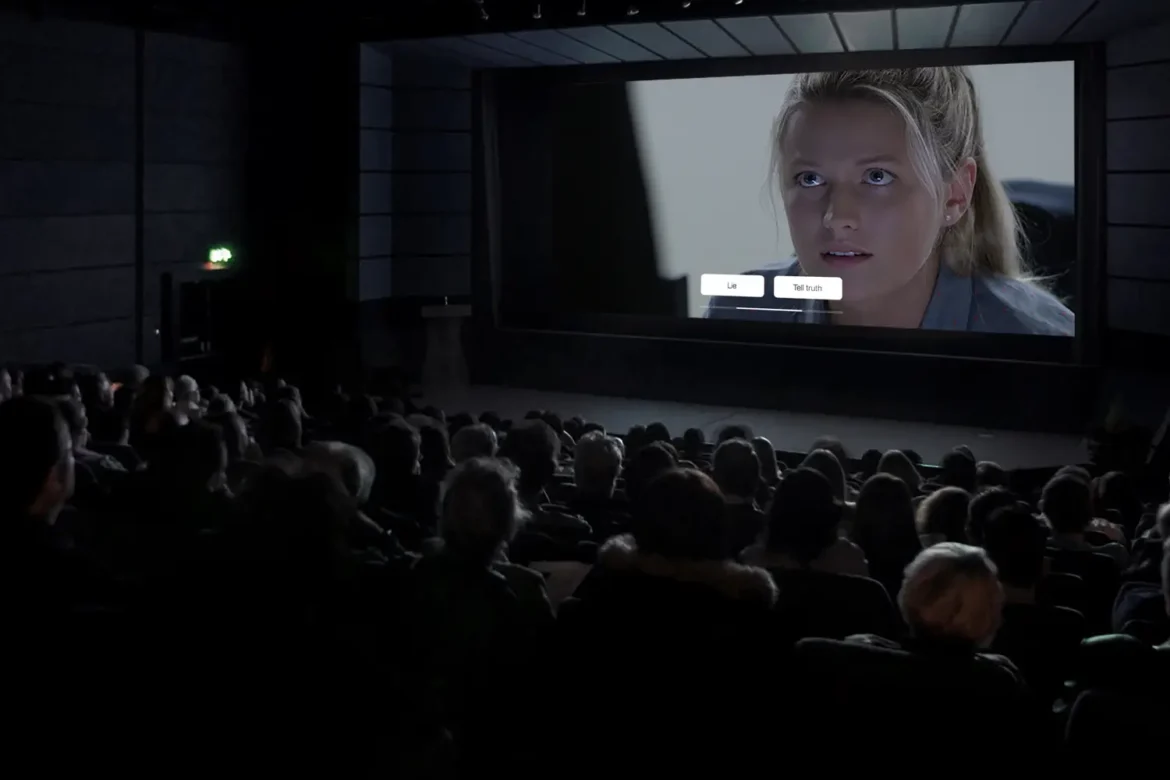
Film festivals remain the beating heart of the independent ecosystem, serving as the launchpad where a project gains critical validation, press attention, and a stamp of quality that helps it stand out in a crowded marketplace. Festivals such as those in Berlin, Sundance, and Toronto act as curated bazaars where distributors, streamers, and journalists descend to discover the next breakout talent. However, the rise of hybrid and virtual festival components, a legacy of global lockdowns, has meant that a filmmaker in Dunedin can pitch to an international buyer without the prohibitive expense of travel and accommodation. This has levelled the playing field for voices from the South Pacific, whose stories can now be witnessed by decision-makers who might never have attended a physical screening in Auckland. The festival is no longer a single moment but the beginning of an ongoing digital conversation that can sustain a film’s momentum for months.
The streaming platforms, often cast as the villain in narratives about the death of cinema, have become a vital revenue stream for independent films that can negotiate smart licensing deals. While the headline-grabbing acquisitions for millions of dollars are rare, a steady catalogue of smaller, targeted films builds the depth that prevents subscribers from cancelling once they have binged the flagship content. Niche platforms dedicated to arthouse, documentary, or genre cinema have proliferated, acting as specialised curators for audiences who feel underserved by the algorithmic mainstream. For a documentary about climate resilience in the Pacific Islands or a psychological thriller exploring isolation in a remote high-country station, this targeted distribution model delivers a self-selecting, passionate audience. The filmmaker’s challenge is to cut through the noise, and this is where clever, low-cost digital marketing campaigns that leverage the authenticity of the film’s subject matter can achieve remarkable reach.