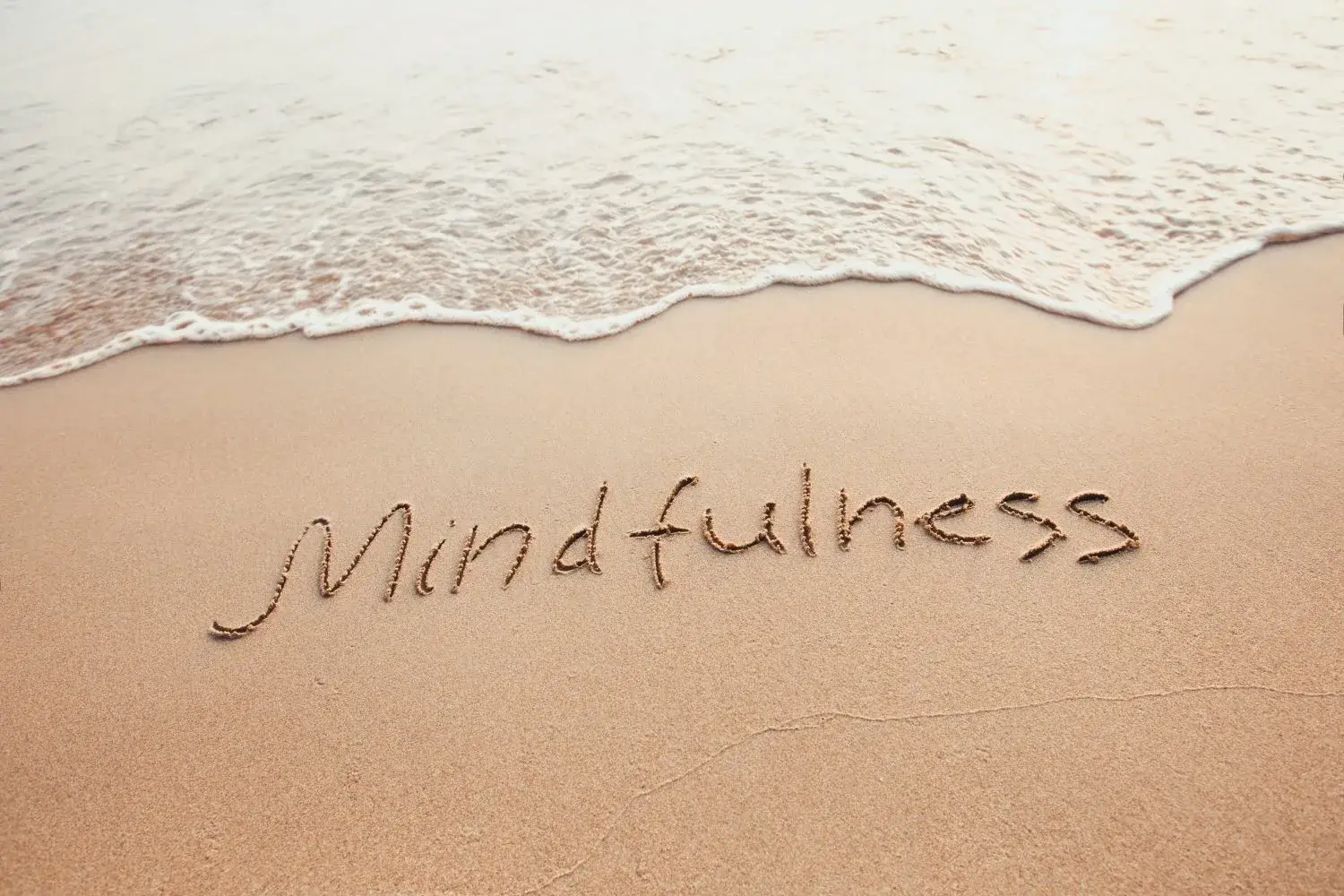
The relentless churn of consumer culture often leaves individuals feeling as though they are running on a treadmill, acquiring items that fail to deliver lasting satisfaction. In New Zealand, a quiet but significant counter-movement has been gaining momentum, one that prioritises intentionality over impulse. Mindful consumption is not about deprivation; rather, it encourages a deeper examination of why we buy, what we truly need, and how our choices affect the environment and our own mental space. This approach asks consumers to pause before each purchase and consider the life cycle of an object, from the raw materials used to the conditions of the workers who made it and the fate of the item once it is no longer wanted. By shifting the focus from quantity to quality, individuals often discover a greater sense of autonomy and a marked reduction in the clutter that can overwhelm a household. This mindset extends beyond physical goods to digital consumption, where endless scrolling and app notifications can fragment attention and heighten anxiety.
Advertorial
At the heart of this practice is the concept of value, which is being redefined in many New Zealand homes. Instead of measuring worth by price or brand prestige, mindful consumers look for durability, repairability, and timeless design. A woollen jumper from a local maker, for instance, might cost more initially than a synthetic alternative from a fast-fashion chain, but its longevity and the warmth it provides for many winters transforms it into a sensible investment. This reorientation also encourages people to support local artisans and businesses, keeping money circulating within their communities. Farmers’ markets, craft cooperatives, and second-hand shops have seen a resurgence, not purely as places of commerce but as social hubs where knowledge and stories are exchanged. The act of choosing a pre-loved piece of furniture or a refurbished electronic device becomes a quiet statement against the throwaway mentality that has dominated for decades. Over time, this habit reshapes personal identity, allowing people to define themselves by their passions and relationships rather than their possessions.
The psychological benefits of stepping off the acquisition-go-round are well documented in anecdotal reports from those who have adopted the philosophy. When the constant pressure to keep up with trends dissipates, individuals frequently report clearer thinking and more restful sleep. The mental load of managing an overflowing wardrobe or a garage stuffed with unused gadgets is lifted, freeing up energy for creative pursuits, outdoor activities, and meaningful social connection. For families, teaching children about thoughtful purchasing can be a powerful lesson in financial literacy and environmental stewardship. Conversations around the dinner table about what advertising truly does, or why a particular toy is not needed, help young people develop critical thinking skills that guard against peer pressure. This does not mean a life devoid of pleasure or occasional treats; instead, those treats become more significant and enjoyable because they are chosen deliberately rather than grabbed on a whim during a late-night online shopping session.