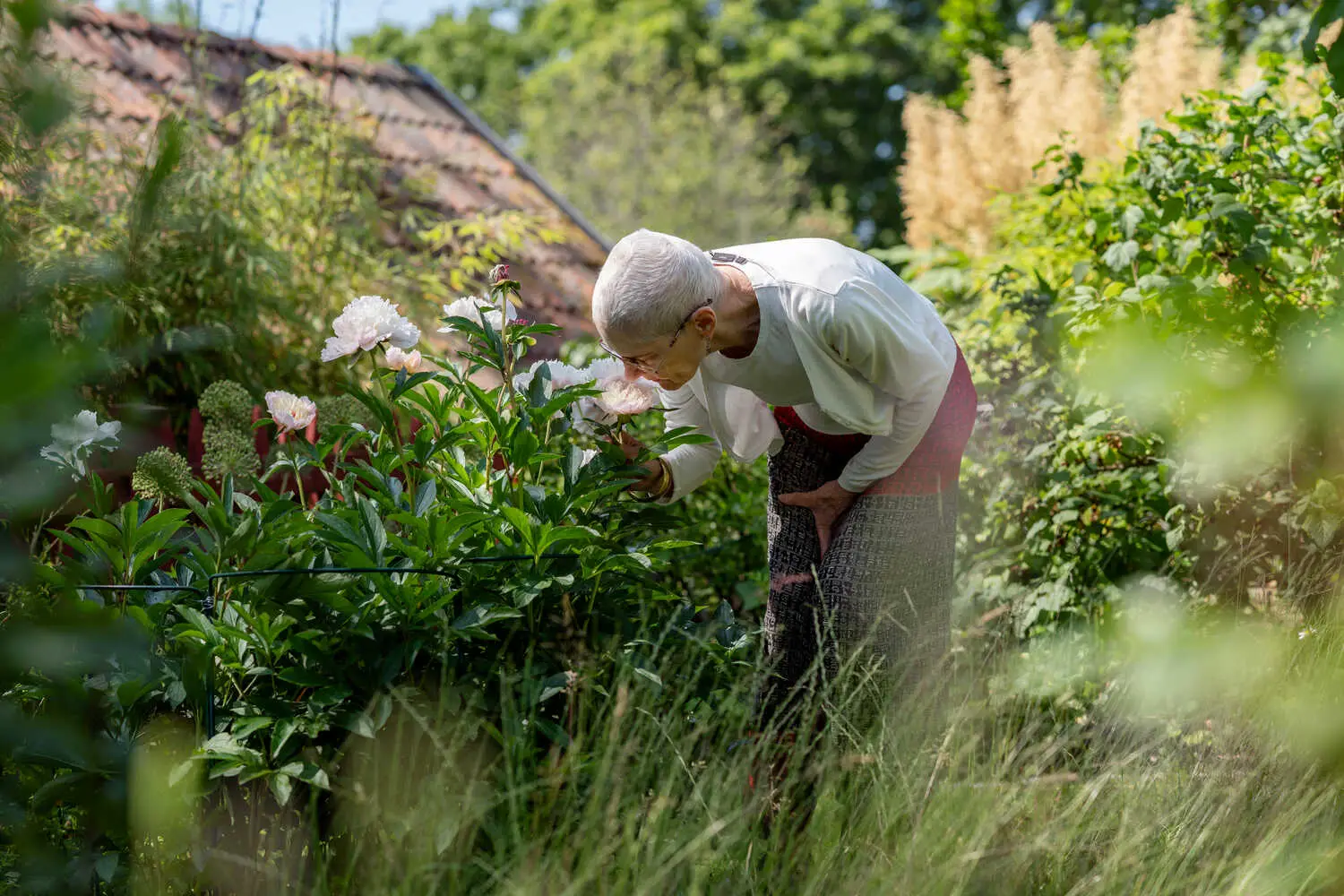
There is a quiet revolution taking root in the backyards, balconies, and community plots of Aotearoa, driven by a deepening understanding that placing hands in soil nourishes much more than a future meal. The act of gardening bridges the gap between the human body and the natural rhythms that modern life often obscures. When a person sows a row of carrot seeds or prunes a tomato vine, they are engaging in a practice that demands patience, attentiveness, and a tolerance for unpredictability that the digital world rarely permits. The sensory immersion, the scent of crushed rosemary, the texture of crumbly compost, and the sound of tūī chattering in a nearby flax bush, anchors the mind in the present moment, providing a natural antidote to the relentless forward projection of anxiety. Horticultural therapy programmes, long used in clinical settings, have provided a template that home gardeners are now adopting intuitively, recognising that the garden is a space of healing and restoration.
Advertorial
The physical benefits of regular gardening extend well beyond the gentle exercise of digging and weeding, which itself supports cardiovascular health, flexibility, and muscle tone. Exposure to a diverse microbial ecosystem in healthy soil has been a subject of increasing interest among immunologists, who posit that contact with soil-based organisms can help regulate the immune system and reduce inflammatory responses. Sunlight on the skin during the early morning or late afternoon, when UV levels are safer, stimulates the production of vitamin D, which is essential for bone health and mood regulation. Furthermore, the produce harvested from a home garden tends to travel mere metres from ground to plate, retaining nutrient density far superior to supermarket vegetables that may have spent days or weeks in cold storage. A child who has watched a snow pea grow from a flower is exponentially more likely to eat it with enthusiasm, transforming mealtime battles into moments of shared pride and curiosity.
Psychologically, the garden functions as a canvas for what experts term “effort-driven reward”, a neurochemical circuit that lights up when a physical action produces a tangible, visible outcome. In an era where so much work is abstract and mediated through screens, the concrete satisfaction of clearing a weed-strewn bed and planting it with seedlings offers a sense of agency that directly combats feelings of helplessness. The garden does not respond to bluster or urgency; it unfolds at its own pace, teaching a quiet lesson in letting go of control. A hailstorm that shreds the silver beet or a possum that raids the plum tree forces the gardener to accept loss and to plan a thoughtful response, whether that means building a netted frame or simply planting a bit extra to share with the local wildlife. These small cycles of setback and recovery build a resilient mindset that seeps into other domains of life, from work challenges to family dynamics.