Home Lifestyle
Category:

Lifestyle

Advertorial

The fashion landscape in New Zealand is undergoing a significant transformation as awareness of the industry’s environmental footprint moves from the fringes into mainstream consciousness. The glossy allure of cheap, trend-driven garments is fading for a growing cohort of consumers who are questioning the true cost of a five-dollar T-shirt. This shift is not merely about swapping plastic bags for canvas totes; it is a deep re-evaluation of the relationship between clothing, identity, and the planet. The linear model of take-make-dispose, which has dominated for decades, is being challenged by circular principles that prioritise longevity, repairability, and the eventual reintegration of materials into new garments. Designers, retailers, and shoppers are engaging in a complex dialogue about what a truly responsible wardrobe looks like in the context of a modern, style-conscious society.

One of the most visible manifestations of this change is the explosive growth of the second-hand and vintage market. Op shops, once stigmatised as a last resort for those in dire financial straits, have been rebranded as treasure troves of unique style and nostalgia. Online resale platforms have democratised the thrift experience, allowing people to buy and sell pre-loved designer items and high-street classics from the convenience of their phones. This re-commerce model extends the active life of a garment significantly, displacing the demand for new production and the associated water consumption, carbon emissions, and chemical pollution. The thrill of the hunt, discovering a perfectly worn-in leather jacket or a silk blouse from a bygone era, adds a narrative layer to personal style that a mass-produced item can never replicate. For a new generation, wearing something pre-loved is a badge of savvy consumption, signalling an understanding that true style is not about looking like everyone else.

At the manufacturing end, a quiet but determined movement towards regenerative fibre production is gaining ground. New Zealand’s own wool industry, with its strong animal welfare and environmental standards, provides a natural, biodegradable fibre that can be processed locally without relying on synthetic microplastics that shed into waterways with every wash. Innovators are also experimenting with fibres derived from seaweed, wood pulp in closed-loop systems, and agricultural waste such as pineapple leaves and orange peels, creating materials that can break down safely at the end of their life or be endlessly recycled. Transparency has become a key currency, with brands publishing detailed supplier lists and impact reports so that consumers can verify claims rather than relying on vague marketing terms. The challenge of greenwashing, where superficial eco-badges mask fundamentally unsustainable practices, remains acute, and it is driving demand for rigorous third-party certifications that audit the entire supply chain.

Pages: 1 2

Advertorial

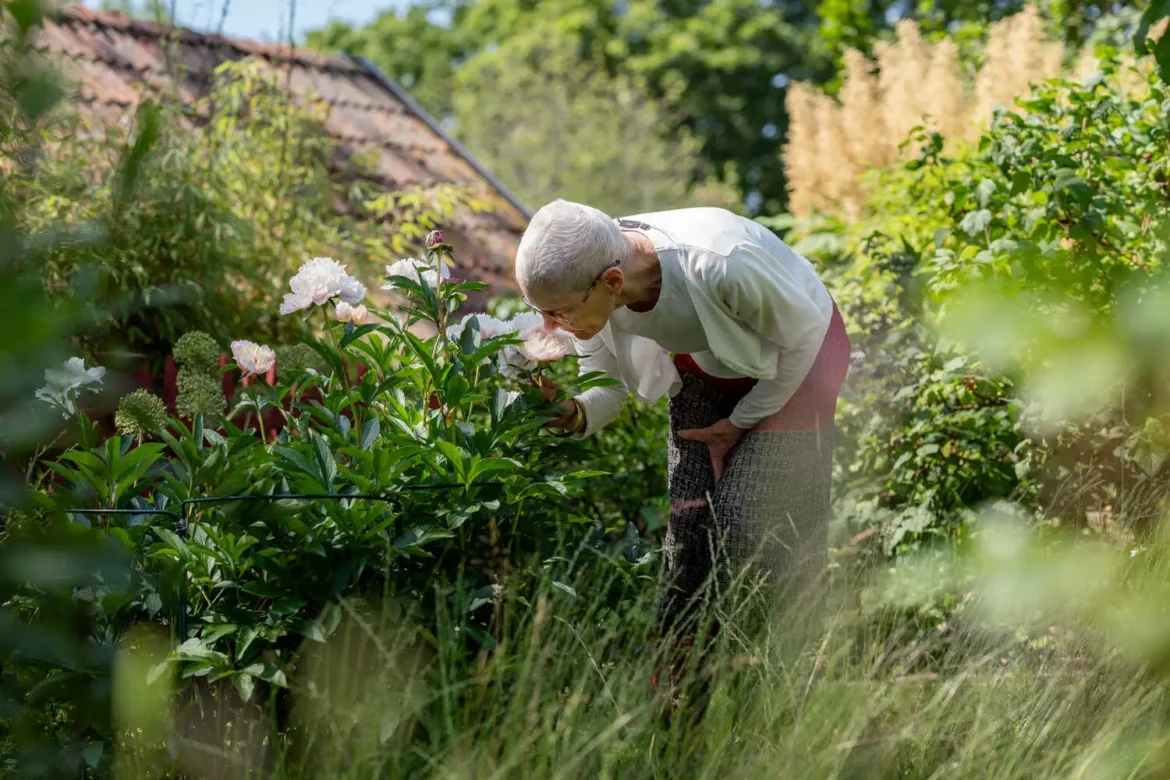
There is a quiet revolution taking root in the backyards, balconies, and community plots of Aotearoa, driven by a deepening understanding that placing hands in soil nourishes much more than a future meal. The act of gardening bridges the gap between the human body and the natural rhythms that modern life often obscures. When a person sows a row of carrot seeds or prunes a tomato vine, they are engaging in a practice that demands patience, attentiveness, and a tolerance for unpredictability that the digital world rarely permits. The sensory immersion, the scent of crushed rosemary, the texture of crumbly compost, and the sound of tūī chattering in a nearby flax bush, anchors the mind in the present moment, providing a natural antidote to the relentless forward projection of anxiety. Horticultural therapy programmes, long used in clinical settings, have provided a template that home gardeners are now adopting intuitively, recognising that the garden is a space of healing and restoration.

The physical benefits of regular gardening extend well beyond the gentle exercise of digging and weeding, which itself supports cardiovascular health, flexibility, and muscle tone. Exposure to a diverse microbial ecosystem in healthy soil has been a subject of increasing interest among immunologists, who posit that contact with soil-based organisms can help regulate the immune system and reduce inflammatory responses. Sunlight on the skin during the early morning or late afternoon, when UV levels are safer, stimulates the production of vitamin D, which is essential for bone health and mood regulation. Furthermore, the produce harvested from a home garden tends to travel mere metres from ground to plate, retaining nutrient density far superior to supermarket vegetables that may have spent days or weeks in cold storage. A child who has watched a snow pea grow from a flower is exponentially more likely to eat it with enthusiasm, transforming mealtime battles into moments of shared pride and curiosity.

Psychologically, the garden functions as a canvas for what experts term “effort-driven reward”, a neurochemical circuit that lights up when a physical action produces a tangible, visible outcome. In an era where so much work is abstract and mediated through screens, the concrete satisfaction of clearing a weed-strewn bed and planting it with seedlings offers a sense of agency that directly combats feelings of helplessness. The garden does not respond to bluster or urgency; it unfolds at its own pace, teaching a quiet lesson in letting go of control. A hailstorm that shreds the silver beet or a possum that raids the plum tree forces the gardener to accept loss and to plan a thoughtful response, whether that means building a netted frame or simply planting a bit extra to share with the local wildlife. These small cycles of setback and recovery build a resilient mindset that seeps into other domains of life, from work challenges to family dynamics.

Pages: 1 2

Advertorial

The concept of leaving work at the office door dissolved completely when kitchen tables transformed into conference rooms and bedrooms doubled as corner offices. Now that the acute phase of remote work has settled into a permanent hybrid model for many New Zealand businesses, a collective conversation is taking place about what balance actually means when the boundaries are so porous. The traditional nine-to-five structure has given way to an asynchronous mosaic, where parents might block out midday hours for school pick-ups and log back on after the children are asleep. While this flexibility is often framed as the ultimate perk, it also carries the risk of stretching the working day into a shapeless, twenty-four-hour availability that erodes rest. Redefining the rhythm of labour in this new landscape requires deliberate architecture, both at the policy level and within the personal discipline of the individual worker.

Employers who are navigating this terrain successfully have moved beyond simply measuring hours logged and are focusing on output, trust, and team cohesion. The abandonment of presenteeism as a performance metric has been liberating for many, particularly for those with chronic illnesses or disabilities who can now manage their energy levels more effectively without the draining commute. Yet the virtual environment creates its own pressures, such as the expectation of an instant reply to a chat message or the subtle guilt associated with a status indicator showing “away”. Managers are learning to articulate clear norms, such as “no meeting Fridays” or mandatory blocks of deep-work time where instant messaging is paused across the organisation. The goal is to protect employees from the burnout that flows from constant context-switching, a cognitive tax that leaves individuals feeling frazzled despite being seated at a desk all day.

The physical dimension of hybrid work has triggered a mass reconfiguration of New Zealand homes, with a surge in demand for dedicated office spaces and soundproofed garden studios. The psychological benefit of being able to close a door on one’s workstation at the end of the day cannot be overstated. When a laptop sits on a dining table, the temptation to check one last email while the kettle boils is relentless, and this blurring stops the brain from fully disengaging. The commute, once viewed as a source of stress, is now understood by many to have served an important transitional ritual that mentally bookended the professional day. Without it, individuals must invent new rituals, such as an evening walk with the dog, a session of stretching, or a moment sitting in the garden with a cup of tea, to signal to the nervous system that work has ceased. These micro-boundaries are the scaffolding upon which sustainable hybrid careers are built.

Pages: 1 2

Advertorial

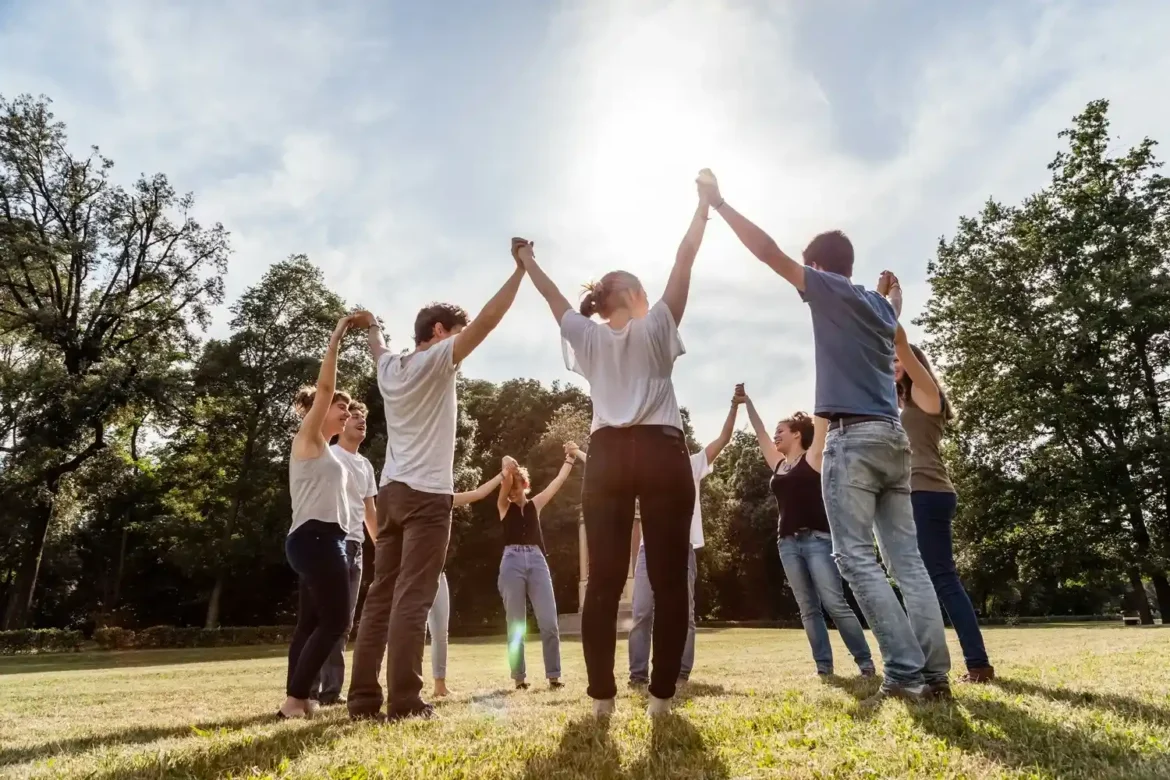
A palpable shift has occurred in neighbourhoods across New Zealand as people actively seek out face-to-face gatherings after a prolonged period of digital saturation. While video calls and social media platforms served as a lifeline for several years, the realisation has dawned that a “like” or a comment cannot substitute for the warmth of a shared smile or the spontaneous conversation that arises while waiting in line at a local sausage sizzle. Community halls, public parks, and marae are once again buzzing with the energy of book clubs, repair cafés, and weekend market days. This resurgence is not merely a nostalgic retreat to the past; it represents a deliberate effort to combat the loneliness epidemic that researchers have identified as a major public health concern. The simple act of gathering to plant trees, knit blankets for charity, or learn a traditional craft together stitches resilience into the social fabric, creating networks of informal support that are invaluable during personal hardship or natural disasters.

The structure of these revived events is notably more inclusive and diverse than many of their predecessors. Organisers are placing a strong emphasis on intergenerational participation, where kaumātua share knowledge with rangatahi, and recent migrants are encouraged to showcase their culinary and artistic traditions. A community potluck in Wellington, for example, might feature a table laden with pāua fritters alongside injera and Ethiopian stews, the food acting as a universal language that breaks down barriers. Local councils have recognised the profound value of this trend and are redirecting funding from large-scale spectacle projects to grassroots initiatives that empower residents to design their own activities. Seed-funding a street party or a community theatre production provides a higher return on social cohesion than many top-down programmes. The focus is on placemaking, transforming underused public spaces into vibrant living rooms for the community, complete with seating, shade, and noticeboards advertising everything from yoga classes to chess clubs.

The economic ripple effects of a thriving community events calendar are often underestimated. When a suburb hosts a regular night market or a film screening in the park, foot traffic increases for local dairies, cafés, and bookshops that might otherwise struggle against large shopping malls. Temporary stalls give budding entrepreneurs a low-risk platform to test their products, from handmade candles to gourmet relishes, without the crippling overhead of a permanent retail lease. These micro-economies are built on personal relationships; the customer knows the baker’s name and the baker knows how the customer likes their sourdough. This trust-based commerce fosters loyalty that no algorithm can replicate. Furthermore, the events themselves create meaningful volunteer opportunities for teenagers and retirees alike, building CV-worthy skills in logistics, marketing, and conflict resolution that ripple out into the formal job market.

Pages: 1 2

Advertorial

The relentless churn of consumer culture often leaves individuals feeling as though they are running on a treadmill, acquiring items that fail to deliver lasting satisfaction. In New Zealand, a quiet but significant counter-movement has been gaining momentum, one that prioritises intentionality over impulse. Mindful consumption is not about deprivation; rather, it encourages a deeper examination of why we buy, what we truly need, and how our choices affect the environment and our own mental space. This approach asks consumers to pause before each purchase and consider the life cycle of an object, from the raw materials used to the conditions of the workers who made it and the fate of the item once it is no longer wanted. By shifting the focus from quantity to quality, individuals often discover a greater sense of autonomy and a marked reduction in the clutter that can overwhelm a household. This mindset extends beyond physical goods to digital consumption, where endless scrolling and app notifications can fragment attention and heighten anxiety.

At the heart of this practice is the concept of value, which is being redefined in many New Zealand homes. Instead of measuring worth by price or brand prestige, mindful consumers look for durability, repairability, and timeless design. A woollen jumper from a local maker, for instance, might cost more initially than a synthetic alternative from a fast-fashion chain, but its longevity and the warmth it provides for many winters transforms it into a sensible investment. This reorientation also encourages people to support local artisans and businesses, keeping money circulating within their communities. Farmers’ markets, craft cooperatives, and second-hand shops have seen a resurgence, not purely as places of commerce but as social hubs where knowledge and stories are exchanged. The act of choosing a pre-loved piece of furniture or a refurbished electronic device becomes a quiet statement against the throwaway mentality that has dominated for decades. Over time, this habit reshapes personal identity, allowing people to define themselves by their passions and relationships rather than their possessions.

The psychological benefits of stepping off the acquisition-go-round are well documented in anecdotal reports from those who have adopted the philosophy. When the constant pressure to keep up with trends dissipates, individuals frequently report clearer thinking and more restful sleep. The mental load of managing an overflowing wardrobe or a garage stuffed with unused gadgets is lifted, freeing up energy for creative pursuits, outdoor activities, and meaningful social connection. For families, teaching children about thoughtful purchasing can be a powerful lesson in financial literacy and environmental stewardship. Conversations around the dinner table about what advertising truly does, or why a particular toy is not needed, help young people develop critical thinking skills that guard against peer pressure. This does not mean a life devoid of pleasure or occasional treats; instead, those treats become more significant and enjoyable because they are chosen deliberately rather than grabbed on a whim during a late-night online shopping session.

Pages: 1 2

Advertorial

Contact information

Cryptic Syllabus Ltd

18 Northland Street, Grey Lynn, Auckland 1021, New Zealand

info@cryptic-syllabus.com

Disclaimer

The information published on this blog page is provided for general informational and educational purposes only. While efforts are made to keep the content accurate and updated, no representation is made regarding the completeness, reliability, or accuracy of any information. Readers should independently verify details before making decisions based on the content published on this website.

2026 © All rights reserved