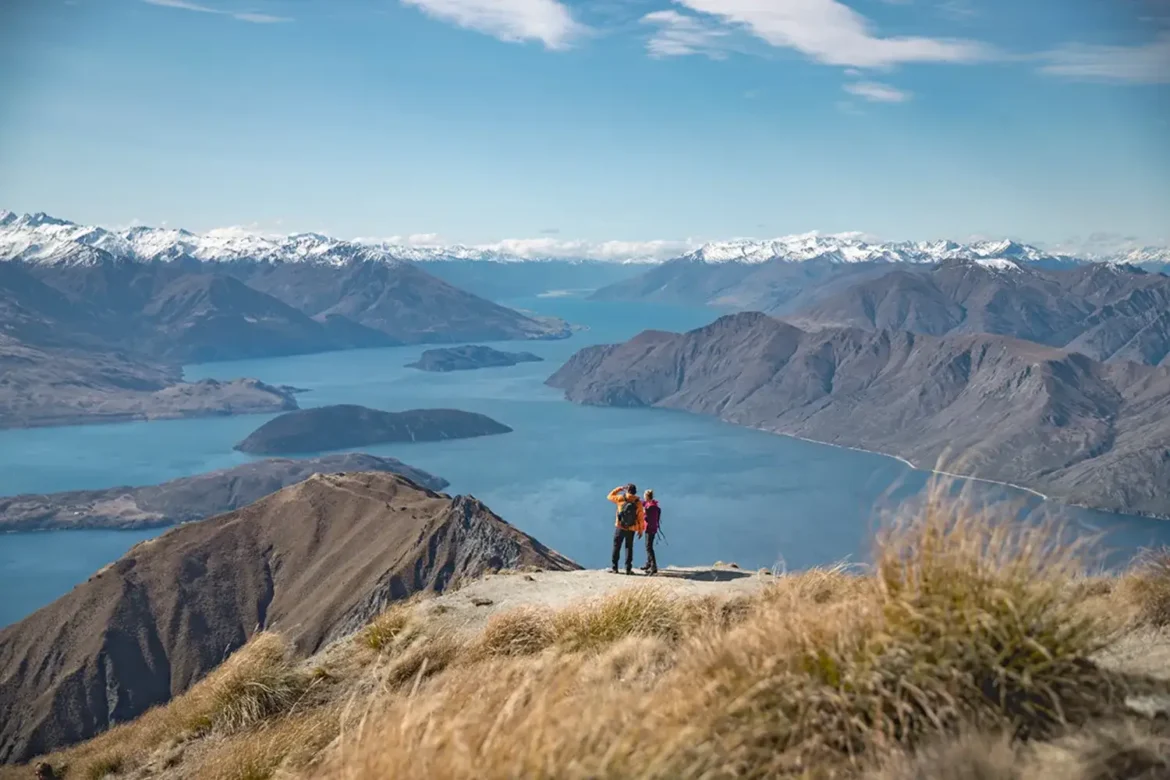
The borders that frame an island nation have a way of concentrating the imagination, and in recent years New Zealanders have undertaken a profound re-examination of the landscapes and stories within their own coastline. Domestic tourism, once viewed as a placeholder between international adventures, has revealed itself as an inexhaustible source of discovery and belonging. The shift was catalysed by necessity, as global travel restrictions turned the focus inward, but it has been sustained by a genuine affection and a realisation that to understand one’s own country is a project of a lifetime. From the subantarctic silence of Rakiura Stewart Island to the kauri forests of the north, the country offers a compression of geographical diversity that few places on earth can match. A person could travel every year and never exhaust the quiet coves, the alpine basins, or the stories held in the stones of the marae and the old gold-mining settlements.
The economic benefits of this domestic focus have rippled through regions that were historically bypassed by the international tourism circuit. Small towns that had never seen a tour bus have become cherished destinations, their cafés and galleries sustained by Kiwi road-trippers. The expenditure that was once sent offshore to airlines, foreign hotels, and multinational tour operators is recirculating within the local economy, supporting family businesses and creating jobs in places that badly need them. This redistribution has highlighted the gap in infrastructure, prompting investment in better public toilets, signage, and cellular coverage that not only serves the tourist but improves the quality of life for residents. The domestic traveller, by simply choosing a long weekend in the Wairarapa over a flight to Fiji, becomes an agent of regional development.
The cultural dimension of domestic travel cuts to the heart of what it means to be a New Zealander. Standing before the carved meeting house of a remote East Coast marae, listening to the iwi’s account of their own history, is an education that no overseas museum can provide. Walking the remnants of the old bush tramways or visiting the memorials of the New Zealand Wars grounds the national narrative in physical earth. The domestic tourism industry has responded with an increasingly sophisticated range of experiences that go beyond the adrenaline thrills marketed to overseas visitors. Guided tours led by local kaumātua, archaeological digs open to volunteers, and artist residencies that invite the public into the creative process are all catering to a domestic audience that seeks depth, not just distraction. This is tourism as citizenship, a way of weaving oneself into the fabric of a shared home.