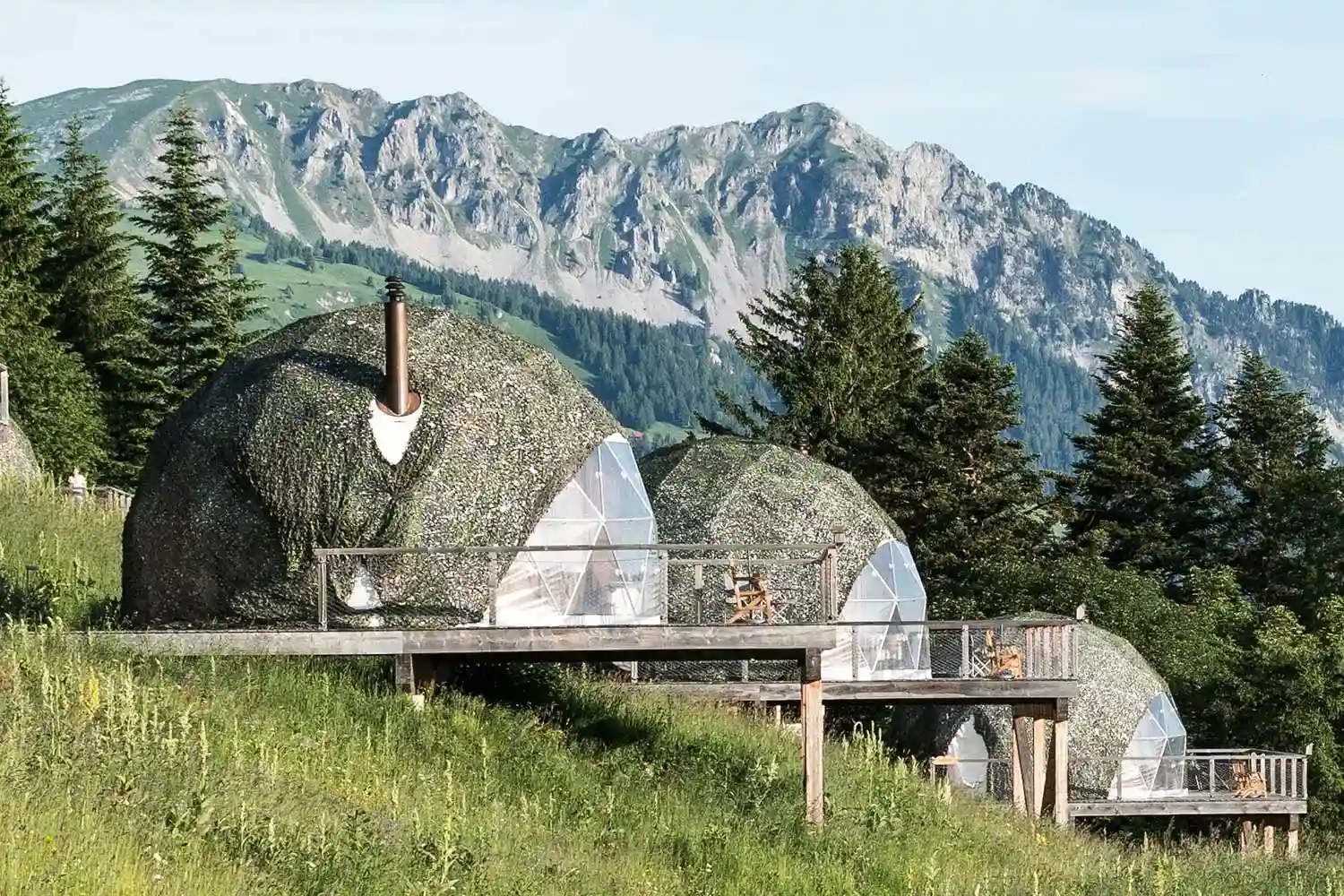
The notion of a green hotel has moved well beyond the tokenism of a card asking guests to reuse their towels to save water. The accommodation sector is undergoing a deep, structural shift towards sustainability that encompasses the very materials a building is made from, the energy that powers it, the food served in its restaurant, and the relationship it maintains with the surrounding ecosystem. In New Zealand, where tourism marketing is inextricably linked to the image of a pristine environment, the push towards eco-friendly accommodation is both a market necessity and an ethical imperative. Lodges, hotels, and campsites are being designed or retrofitted to operate on a regenerative model that aims not just to minimise harm but to actively improve the environment and support local communities. The traveller who chooses such a place is participating in a different kind of tourism economy, one where the cost of the night’s stay includes a contribution to reforestation, predator-free fence lines, or an organic farm that supplies the kitchen.
Advertorial
The engineering of these buildings draws on both cutting-edge technology and ancient wisdom about passive heating and cooling. A backcountry hut that generates its own power through a micro-hydro turbine and solar panels, treats its waste on-site with a worm-based system, and is constructed from locally sourced timber is a closed-loop system in miniature. At the luxury end, an architect-designed lodge might use rammed earth walls for thermal mass, green roofs that blend into the landscape, and intelligent building management systems that learn a guest’s behaviour to optimise energy use without sacrificing comfort. The construction process itself is being scrutinised, with developers pursuing certifications that demand the recycling of construction waste and the use of low-carbon concrete alternatives. The result is a building that, over its entire life cycle, imposes a far gentler footprint on the land.
Food and beverage operations within accommodation have become a powerful expression of environmental values. The kitchen that sources ingredients from its own heritage vegetable garden, a local regenerative farm, or a community-supported fishery is telling a story on every plate. Food miles are slashed, packaging waste is eliminated, and the guest is offered a taste of the region’s true terroir. The best examples involve the guest in the narrative, with garden tours, cooking classes that use foraged ingredients, and menus that explain the provenance of each component. This approach also tackles the colossal problem of food waste in hospitality, with properties investing in on-site composting, biodigesters, or partnerships with local pig farmers. The morning breakfast buffet, that symbol of excess, is being replaced by à la carte kitchens that cook to order, dramatically reducing the volume of uneaten food scraped into bins.