Home Show Business
Category:

Show Business

Advertorial

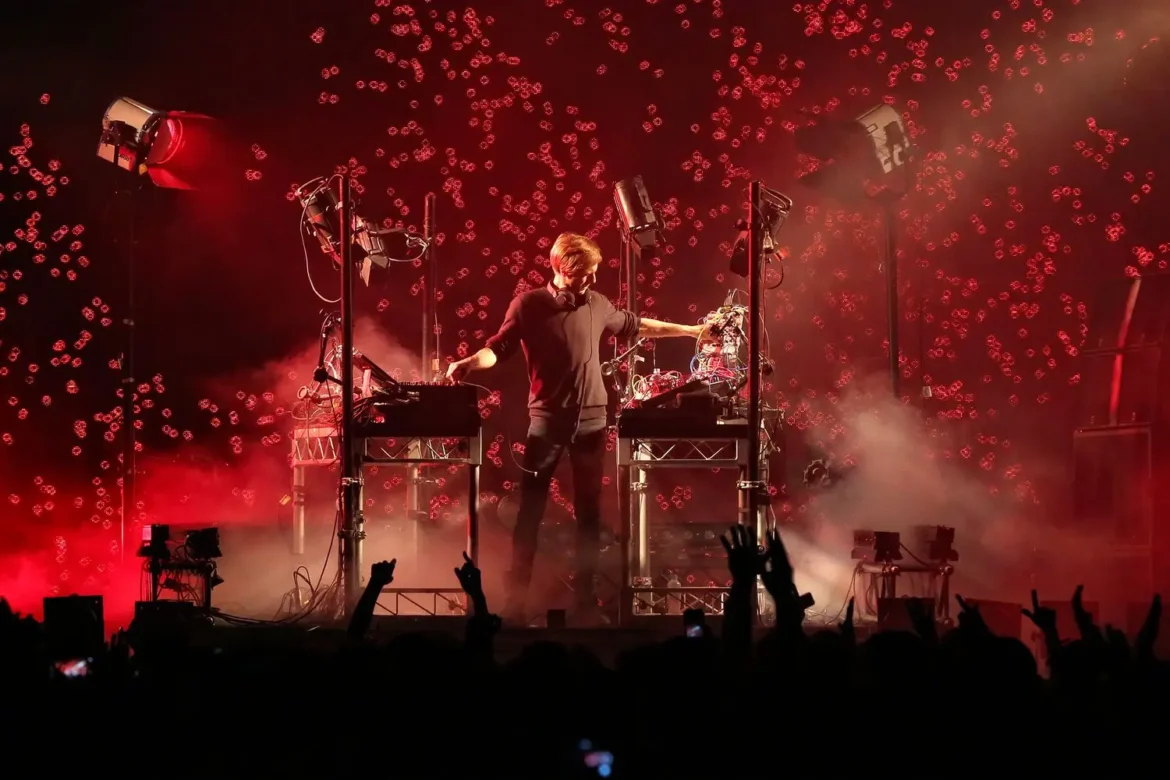
The experience of live music has been permanently expanded by the realisation that a show does not need to be constrained by the physical limits of a venue. Virtual concerts, which became a necessity during the global pause on gatherings, have matured into a sophisticated artistic medium that blends cinema, gaming, and live theatre. Artists now perform in photorealistic digital environments where the laws of physics are optional: a singer can float through a nebula, a rapper can command a cityscape that folds and rearranges itself with the beat, and a band can be beamed simultaneously into millions of individual headsets across the globe. For New Zealand audiences, geographically isolated from the traditional touring circuits of North America and Europe, virtual events offer a front-row experience that eliminates the airfare. The technology challenges the very definition of a concert, transforming a passive viewing session into an interactive, participatory event where the audience’s collective input can alter the visuals or the setlist in real time.

The production ecosystem that supports these events now rivals that of a blockbuster film. Dedicated studios with massive LED volumes, motion capture suits, and real-time rendering engines are being built to accommodate a regular slate of streaming shows. A virtual concert is not simply a camera pointed at a stage; it is a meticulously choreographed narrative that might include scripted interludes, avatar-driven mosh pits, and exclusive digital merchandise that exists only as a non-fungible token. The director, the game-engine programmers, and the lighting designers hold equal creative weight with the musical artist, creating a hybrid form of entertainment that pulls talent from sectors that rarely collaborated a decade ago. This convergence has opened up new career paths for digital artists and technologists in the music industry, shifting the centre of gravity from the touring bus to the server farm.

The economic model of the virtual concert is compelling for artists and promoters alike, as it removes the physical ceiling on ticket sales. A stadium show is limited by fire codes; a virtual venue can host an unlimited number of paying attendees across multiple time zones, with tiered pricing that offers standard video streams, backstage meet-and-greet simulations, or premium avatar skins. This scalability means that a mid-tier artist who could fill a theatre in a few cities can now sell a hundred thousand tickets for a single spectacular event, altering the entire calculus of a release campaign. However, the economics also carry a risk of cannibalising the traditional tour, which remains the lifeblood of artist income. The industry is navigating towards a hybrid model where virtual shows serve as a global marketing engine that drives demand for intimate, in-person club gigs and festival appearances that carry a premium precisely because they are scarce and authentically human.

Pages: 1 2

Advertorial

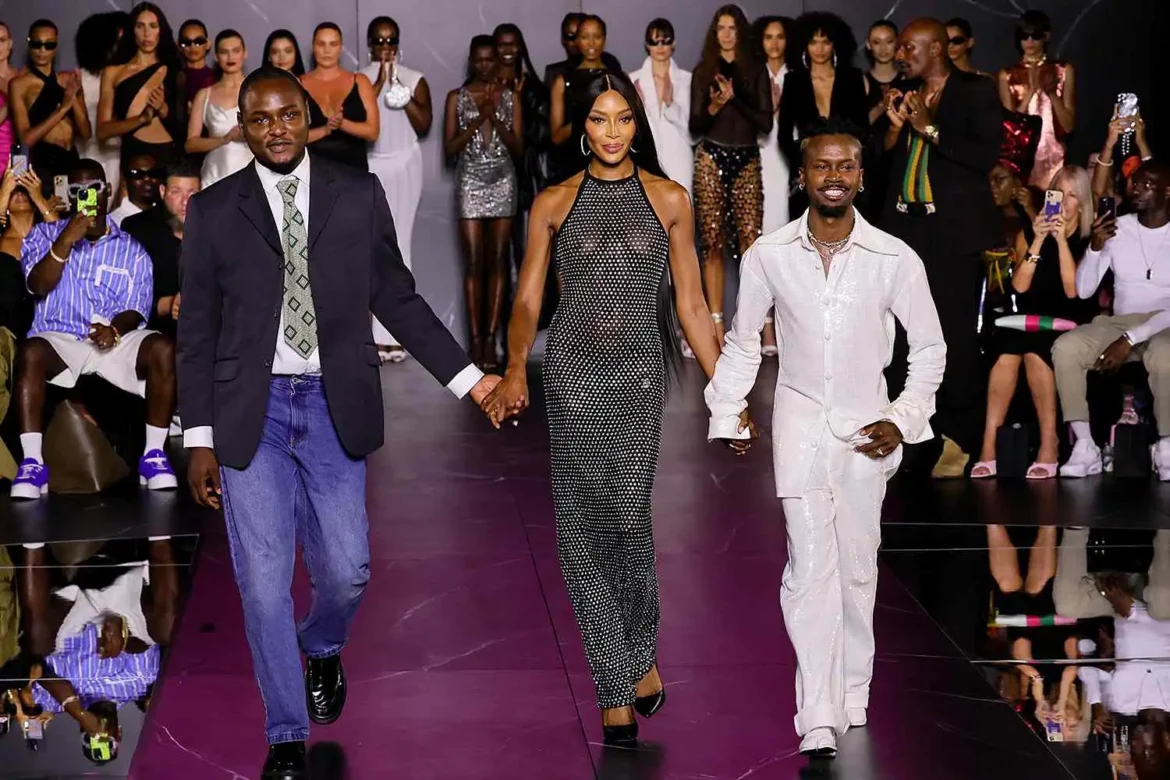
The alliance between fame and commerce has evolved into a sophisticated global machinery where a celebrity’s personal brand can launch, revive, or fundamentally reshape a product’s identity. Gone are the days when a famous face simply smiled next to a jar of coffee in a print advertisement. Contemporary collaborations are structured as long-term creative partnerships, equity stakes, or co-founder roles that tether the fortune of the brand to the ongoing narrative arc of the celebrity’s life. In the New Zealand market, where local heroes like sports stars, musicians, and actors carry a particular cultural weight, these partnerships can generate an almost familial trust among consumers. The psychology is subtle: a purchase becomes not just a transaction but a means of aligning oneself with the values, aesthetics, and aspirational lifestyle that the celebrity represents. When an All Black launches a skincare line or a musician curates a wine label, the fan buys into a story as much as a product.

The financial architecture of these deals is now a staple of a celebrity’s business portfolio, often eclipsing their primary income from sport or performance. Equity arrangements are particularly attractive, as they align long-term incentives; a celebrity who holds shares is motivated to be a genuine ambassador, attending product development meetings and pushing for quality rather than simply collecting an appearance fee and walking away. This trend has been supercharged by the direct-to-consumer model, where a celebrity can launch a product via social media and an e-commerce platform without the need for traditional retail distribution. A single Instagram post or TikTok clip to millions of followers can generate a sales spike that a conventional marketing campaign would take months to achieve. The data generated from these digital launches provides immediate feedback on everything from pricing to packaging, making the celebrity a uniquely responsive business partner.

However, the potency of these collaborations is matched by their volatility. The brand becomes symbiotically linked to the celebrity’s reputation, and any scandal, offensive tweet, or fall from grace can trigger an immediate consumer boycott or a hashtag campaign demanding the termination of the deal. Companies now routinely include rigorous morals clauses and conduct risk assessments before signing a partnership, and crisis management teams rehearse scenarios for a rapid severance. The court of public opinion moves swiftly, and a brand that hesitates to distance itself from a tarnished figure can itself become the target of a consumer backlash. This high-wire dynamic demands a new kind of corporate vigilance, one that monitors not only sales figures but the ever-shifting currents of online discourse around their famous partner. The relationship is a marriage of convenience that can turn acrimonious in a single news cycle.

Pages: 1 2

Advertorial

The recording studio, long imagined as a sanctuary of pure human creativity and analogue warmth, is now a laboratory where artificial intelligence plays an increasingly active role in the composition, production, and distribution of music. AI-powered tools can analyse the vast catalogue of recorded music to generate chord progressions, suggest melodic variations, or even clone a vocal timbre so precisely that it becomes a new instrument in a producer’s palette. For artists in Aotearoa, from bedroom pop creators in Christchurch to hip-hop producers in South Auckland, these tools lower the barrier to achieving a polished, radio-ready sound without the prohibitive cost of hiring session musicians or renting expensive facilities. The technology is not a futuristic novelty; it is embedded in the digital audio workstations and plugins that are updated with each software iteration, quietly reshaping the workflow of an entire industry in real time.

The most immediate and practical application lies in the realm of audio mastering and stem separation. Tasks that once required a highly specialised engineer with decades of experience, such as cleaning up a noisy vocal track or giving a mix the loudness and clarity demanded by streaming platforms, can now be accomplished by an AI service in minutes. Stem separation tools, which can deconstruct a fully mixed track back into its constituent parts (drums, bass, vocals, and other instruments), have revolutionised remixing, sampling, and restoration work. This democratisation of high-end audio engineering is a double-edged sword: it empowers independent artists to compete sonically with major label releases, but it also disrupts the livelihood of mastering engineers and session players whose irreplaceable human nuance must now be argued for, not assumed. The value proposition shifts from technical execution to taste, curation, and the emotional intelligence that a machine, however well-trained, cannot originate.

Generative AI models that create full compositions from text prompts have sparked the most intense debate about authorship and originality. A producer can type “upbeat synthwave track with a melancholic saxophone solo in the style of the 1980s” and receive a royalty-free piece of music that serves as a temporary placeholder in a video edit or, controversially, as the final soundtrack for a commercial project. This capability raises profound questions about the nature of creativity when the line between inspiration and algorithmic recombination becomes blurred. Copyright systems, built on the premise of human authorship, are straining under the weight of legal challenges regarding whether an AI trained on copyrighted material produces derivative works. For composers of library music and production music, the existential threat is acute, as a cheaper, instant alternative floods the market. The counterargument is that these tools will push human composers towards more daring, less formulaic work that an AI, which is inherently backward-looking, cannot conceive.

Pages: 1 2

Advertorial

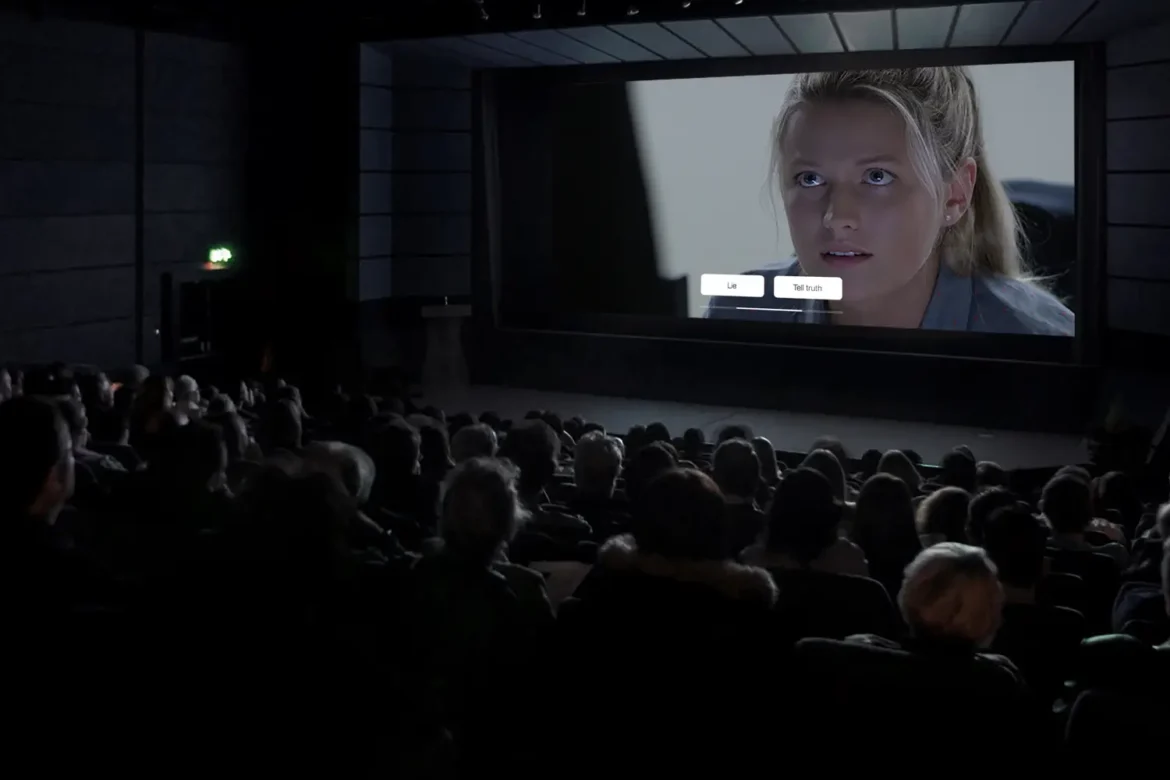
The journey of an independent film from a filmmaker’s dream to a global audience has been transformed by a democratisation of tools and distribution channels that was almost unimaginable a generation ago. High-quality cameras, editing software, and visual effects are now accessible at a fraction of their former cost, erasing the technical barriers that once separated major studios from indie upstarts. In New Zealand, this has empowered a wave of storytellers to craft narratives that speak to local realities without softening the edges for an assumed international palate. A drama set in a small rural marae or a coming-of-age story in South Auckland can now be shot with cinematic beauty and, crucially, find its audience across continents without requiring a star-studded cast or a multi-million-dollar marketing campaign. The gatekeeping power of the traditional sales agent and festival circuit, while still influential, has been augmented by direct pathways to viewers who crave authentic voices.

Film festivals remain the beating heart of the independent ecosystem, serving as the launchpad where a project gains critical validation, press attention, and a stamp of quality that helps it stand out in a crowded marketplace. Festivals such as those in Berlin, Sundance, and Toronto act as curated bazaars where distributors, streamers, and journalists descend to discover the next breakout talent. However, the rise of hybrid and virtual festival components, a legacy of global lockdowns, has meant that a filmmaker in Dunedin can pitch to an international buyer without the prohibitive expense of travel and accommodation. This has levelled the playing field for voices from the South Pacific, whose stories can now be witnessed by decision-makers who might never have attended a physical screening in Auckland. The festival is no longer a single moment but the beginning of an ongoing digital conversation that can sustain a film’s momentum for months.

The streaming platforms, often cast as the villain in narratives about the death of cinema, have become a vital revenue stream for independent films that can negotiate smart licensing deals. While the headline-grabbing acquisitions for millions of dollars are rare, a steady catalogue of smaller, targeted films builds the depth that prevents subscribers from cancelling once they have binged the flagship content. Niche platforms dedicated to arthouse, documentary, or genre cinema have proliferated, acting as specialised curators for audiences who feel underserved by the algorithmic mainstream. For a documentary about climate resilience in the Pacific Islands or a psychological thriller exploring isolation in a remote high-country station, this targeted distribution model delivers a self-selecting, passionate audience. The filmmaker’s challenge is to cut through the noise, and this is where clever, low-cost digital marketing campaigns that leverage the authenticity of the film’s subject matter can achieve remarkable reach.

Pages: 1 2

Advertorial

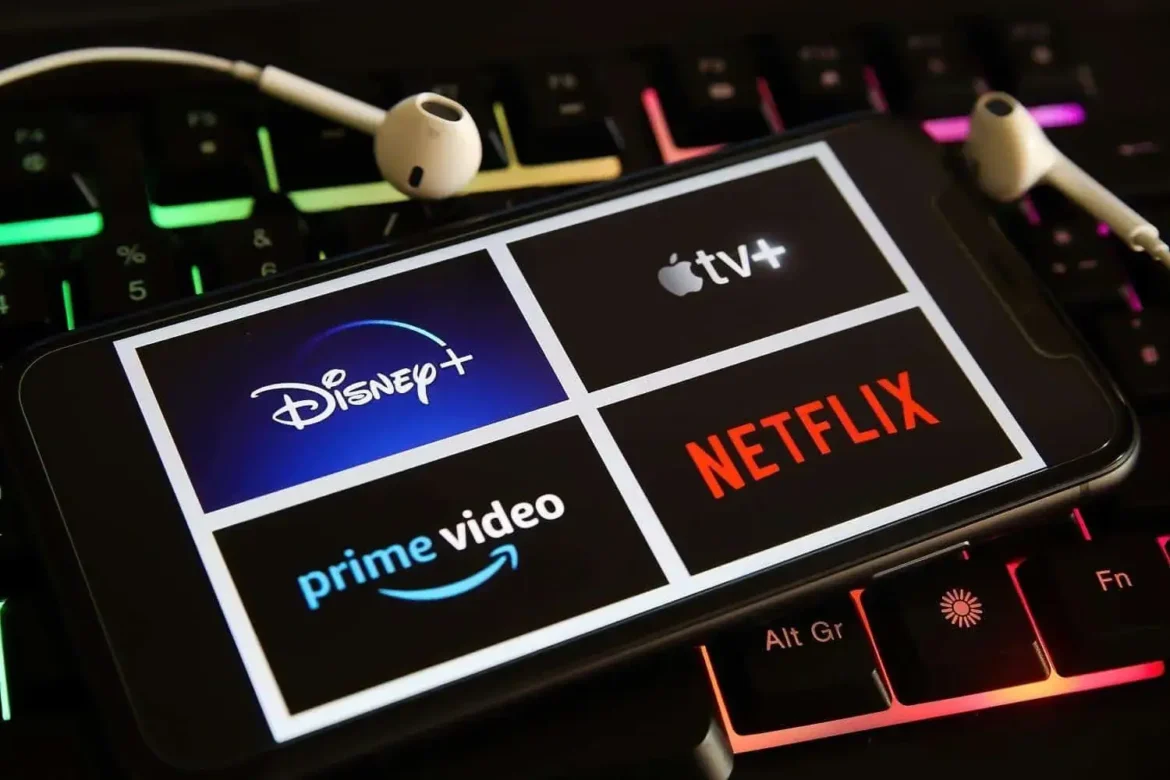
The architecture of home entertainment has been comprehensively rebuilt, and as 2026 unfolds, streaming platforms have evolved far beyond their origins as simple libraries of syndicated content. The major global players are no longer just competing for subscription numbers; they are engaged in a high-stakes contest to become integrated lifestyle portals that bundle gaming, live sports, e-commerce, and interactive storytelling into a single monthly fee. For New Zealand audiences, this means access to an unprecedented volume of international and local content, but it also raises complex questions about cultural visibility and the algorithms that decide what is promoted. The sheer scale of investment in original series and films has created a paradox of abundance, where viewers often spend more time scrolling through an endless carousel of options than actually watching a completed story. The platform interface, with its autoplay trailers and meticulously curated rows, has become a powerful gatekeeper that shapes taste and attention in ways that are only beginning to be understood.

The economic model underpinning this dominance is in a constant state of recalibration. The era of loss-leader growth, where platforms spent billions on content to acquire market share at any cost, has given way to a sharper focus on profitability and average revenue per user. This has manifested in the widespread introduction of advertising-supported tiers, a move that transforms streaming into a hybrid that more closely resembles the commercial television it once sought to disrupt. Password-sharing crackdowns and incremental price hikes have tested consumer loyalty, forcing households to make active choices about which subscriptions to maintain and which to prune each month. The result is a fiercely competitive landscape where cancellations are triggered by the end of a flagship show’s season, and re-subscriptions are courted with half-price offers and exclusive sneak peeks. Customer retention is now a science of behavioural psychology, with data analysts predicting churn risk based on viewing pauses and genre preferences.

The creative implications of this platform-led economy are profound. The traditional pilot season model, where networks ordered one episode to test the waters, has largely been replaced by straight-to-series orders that demand a complete narrative arc designed for binge consumption. Writers’ rooms are tasked with crafting stories that hook a viewer in the first few minutes to prevent them from clicking away, a pressure that has led some critics to argue that the art of the slow-burn character study is being marginalised in favour of relentless narrative propulsion. Simultaneously, the global nature of these platforms has created a marketplace where a show produced in South Korea, Spain, or Nigeria can find a massive audience in Wellington without needing a local broadcaster as a middleman. The staggering success of non-English-language dramas with subtitles has fundamentally altered audience expectations, proving that authenticity and cultural specificity travel well when storytelling is compelling.

Pages: 1 2

Advertorial

Contact information

Cryptic Syllabus Ltd

18 Northland Street, Grey Lynn, Auckland 1021, New Zealand

info@cryptic-syllabus.com

Disclaimer

The information published on this blog page is provided for general informational and educational purposes only. While efforts are made to keep the content accurate and updated, no representation is made regarding the completeness, reliability, or accuracy of any information. Readers should independently verify details before making decisions based on the content published on this website.

2026 © All rights reserved