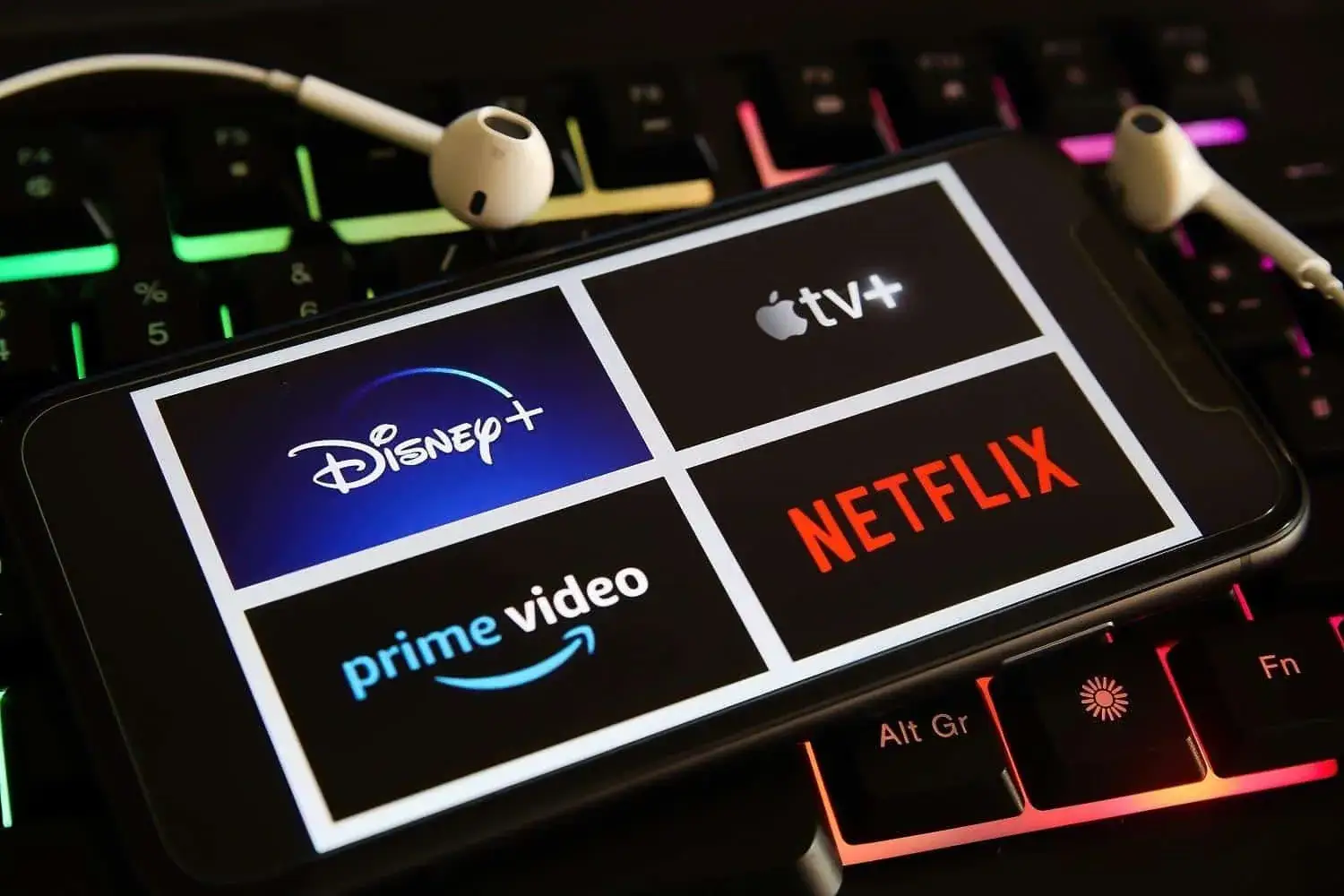
The architecture of home entertainment has been comprehensively rebuilt, and as 2026 unfolds, streaming platforms have evolved far beyond their origins as simple libraries of syndicated content. The major global players are no longer just competing for subscription numbers; they are engaged in a high-stakes contest to become integrated lifestyle portals that bundle gaming, live sports, e-commerce, and interactive storytelling into a single monthly fee. For New Zealand audiences, this means access to an unprecedented volume of international and local content, but it also raises complex questions about cultural visibility and the algorithms that decide what is promoted. The sheer scale of investment in original series and films has created a paradox of abundance, where viewers often spend more time scrolling through an endless carousel of options than actually watching a completed story. The platform interface, with its autoplay trailers and meticulously curated rows, has become a powerful gatekeeper that shapes taste and attention in ways that are only beginning to be understood.
Advertorial
The economic model underpinning this dominance is in a constant state of recalibration. The era of loss-leader growth, where platforms spent billions on content to acquire market share at any cost, has given way to a sharper focus on profitability and average revenue per user. This has manifested in the widespread introduction of advertising-supported tiers, a move that transforms streaming into a hybrid that more closely resembles the commercial television it once sought to disrupt. Password-sharing crackdowns and incremental price hikes have tested consumer loyalty, forcing households to make active choices about which subscriptions to maintain and which to prune each month. The result is a fiercely competitive landscape where cancellations are triggered by the end of a flagship show’s season, and re-subscriptions are courted with half-price offers and exclusive sneak peeks. Customer retention is now a science of behavioural psychology, with data analysts predicting churn risk based on viewing pauses and genre preferences.
The creative implications of this platform-led economy are profound. The traditional pilot season model, where networks ordered one episode to test the waters, has largely been replaced by straight-to-series orders that demand a complete narrative arc designed for binge consumption. Writers’ rooms are tasked with crafting stories that hook a viewer in the first few minutes to prevent them from clicking away, a pressure that has led some critics to argue that the art of the slow-burn character study is being marginalised in favour of relentless narrative propulsion. Simultaneously, the global nature of these platforms has created a marketplace where a show produced in South Korea, Spain, or Nigeria can find a massive audience in Wellington without needing a local broadcaster as a middleman. The staggering success of non-English-language dramas with subtitles has fundamentally altered audience expectations, proving that authenticity and cultural specificity travel well when storytelling is compelling.