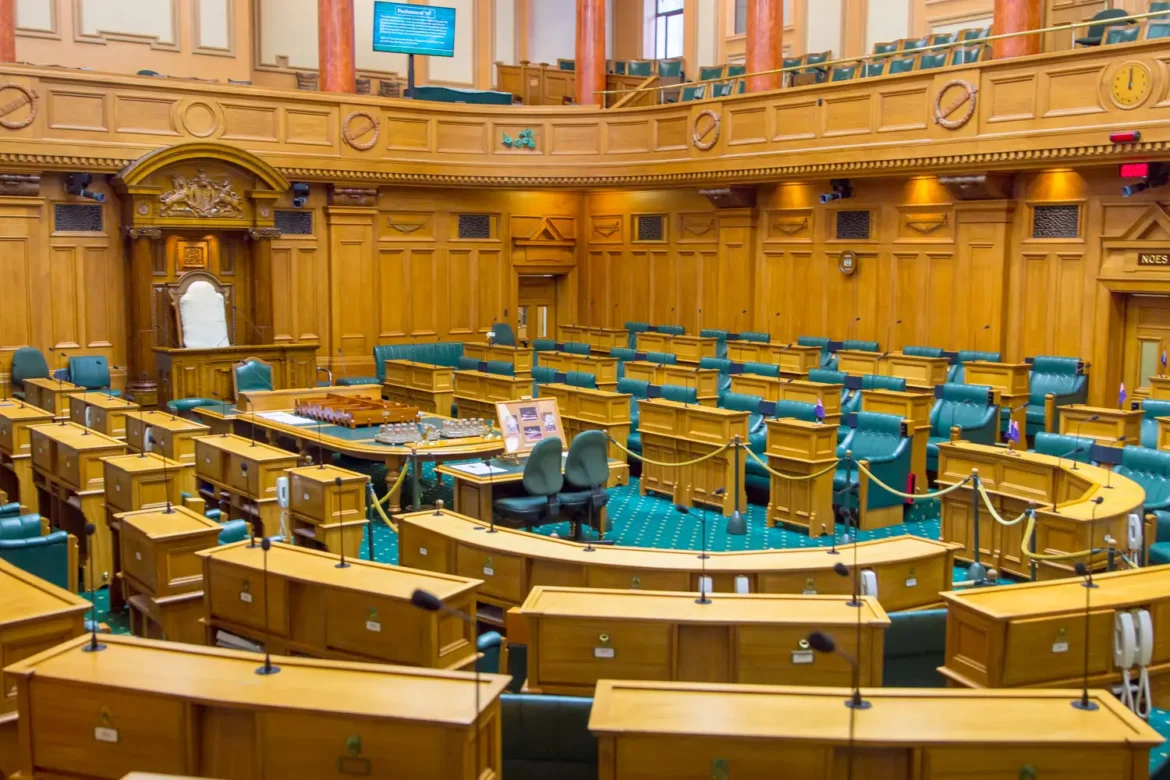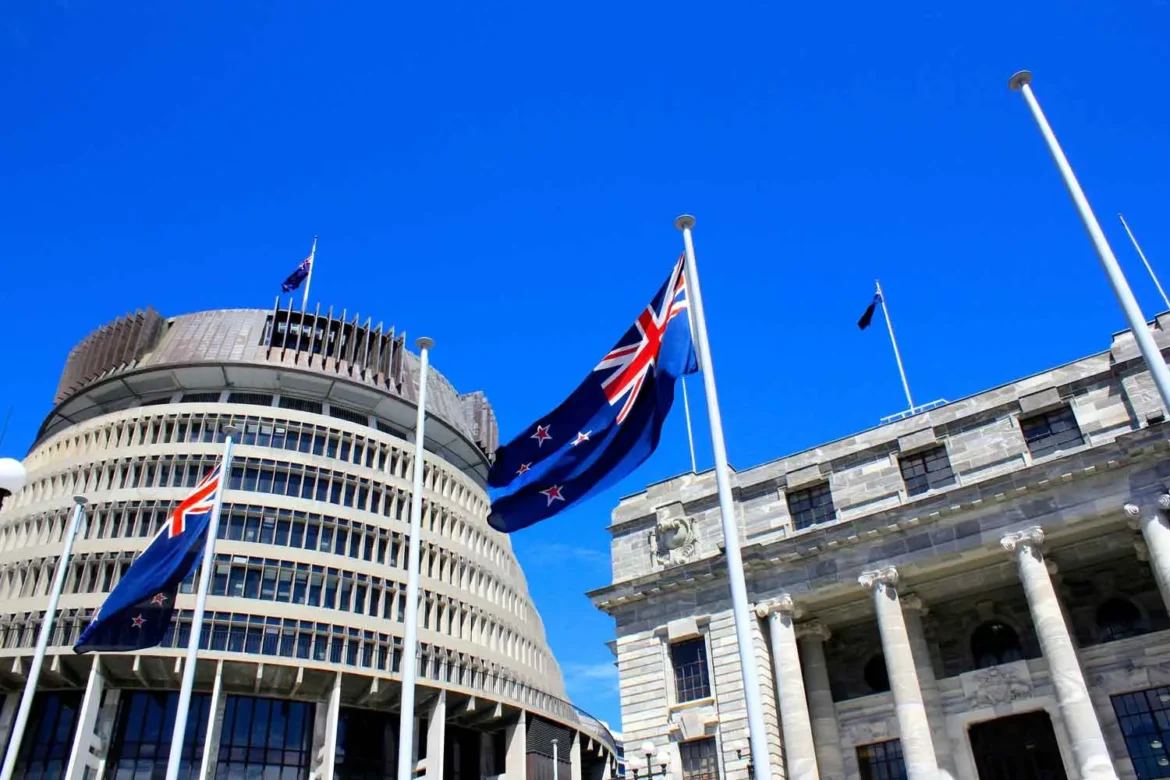
The layer of governance that touches the daily life of a citizen most directly is not the distant apparatus of central government in the capital but the local council responsible for the footpath outside the front gate, the library where a child learns to read, and the emergency management plan that swings into action when a flood threatens the township. Local government in New Zealand is the frontline of community resilience, a term that encompasses not just the engineering of stopbanks and stormwater drains but the weaving of social cohesion that determines whether neighbours check on each other during a crisis. When a long-term plan is debated in a council chamber, the decisions made about zoning, infrastructure investment, and community grants are, in effect, decisions about the capacity of a place to withstand and recover from the shocks that an uncertain climate and a volatile economy will deliver.
The infrastructure portfolio held by councils is vast and unglamorous, and its condition directly dictates a community’s vulnerability. The pipes that carry drinking water, the treatment plants that process sewage, and the roads that link rural communities to hospitals and markets are often buried and forgotten until they fail. Decades of underinvestment, deferred maintenance, and a political reluctance to raise rates to fund the true cost of renewal have left many districts with a silent deficit that will be paid for by future generations. The local government that courageously communicates this reality to its ratepayers, framing a rate increase not as a burden but as a premium for insuring the community against catastrophe, performs an act of genuine leadership. The alternative, the muddled message that everything can be maintained without cost, is a recipe for the brittle systems that collapse precisely when they are needed most.
The consenting and planning function of a council is a lever for shaping the resilience of the built environment. The decision to permit a new subdivision on a coastal flood plain or to require rainwater tanks and permeable surfaces in all new developments has generational consequences. A district plan that incorporates mātauranga Māori, the indigenous knowledge of water flow and natural hazards, alongside Western engineering models, is likely to produce a more durable settlement pattern than one that applies a generic template. The council planner who works with a developer to cluster homes away from the erosion zone and to restore a wetland that acts as a sponge for heavy rain is quietly building resilience into the private decisions of the market. This work is technical, slow, and often contested by landowners who see a restriction on their property rights, but its legacy is measured in the lives not lost in the next one-in-a-hundred-year storm.