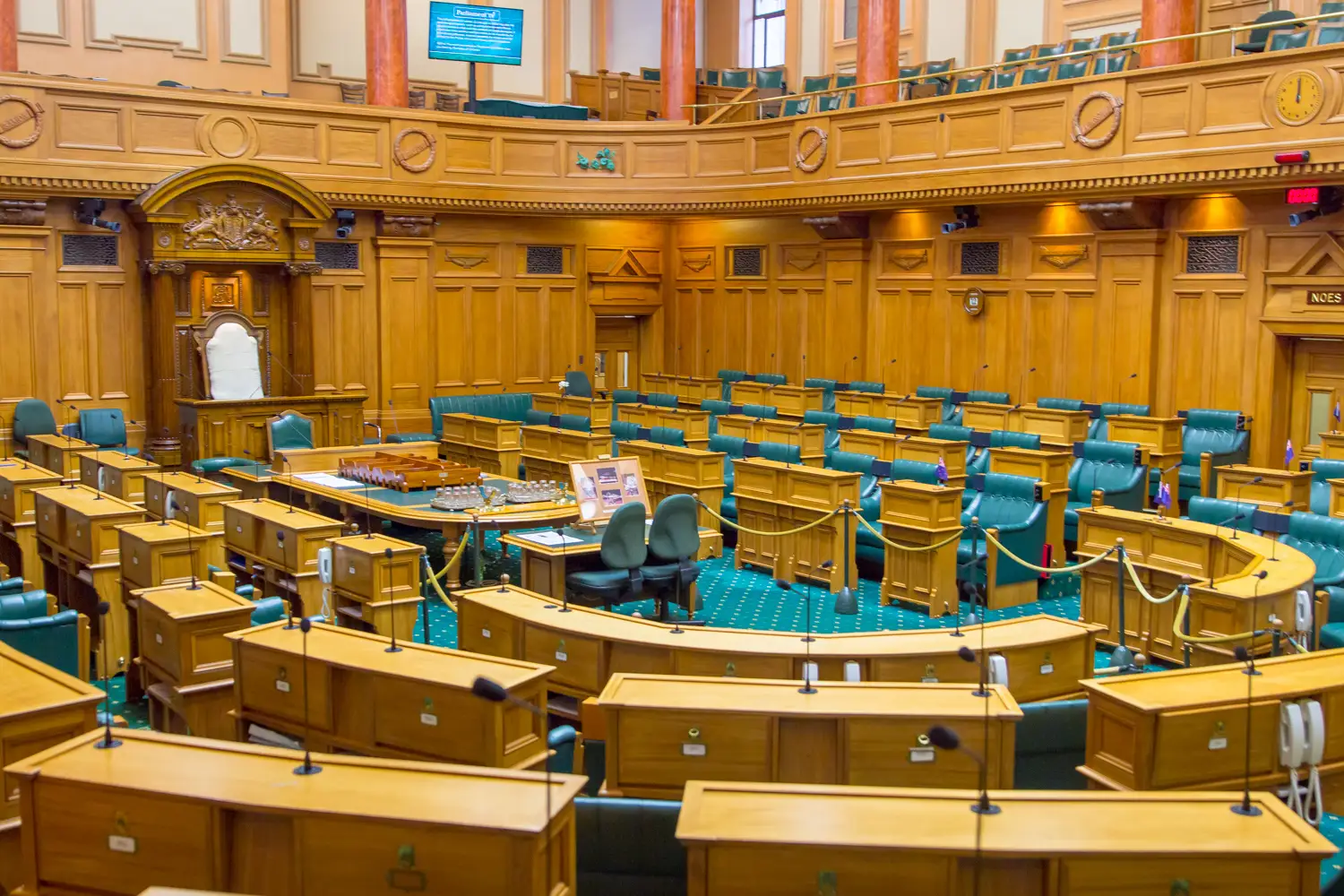
The corridors of power in Wellington are navigated not only by elected officials and civil servants but by a dense ecosystem of lobby groups seeking to shape the regulations, budgets, and laws that govern the country. Lobbying, in its legitimate form, is an essential function of a pluralist democracy, providing decision-makers with technical expertise, industry data, and the perspectives of affected stakeholders who might otherwise be unheard. When a parliamentary select committee calls for submissions on a complex bill concerning pharmaceutical funding, digital privacy, or agricultural emissions, the detailed analyses provided by professional associations, non-governmental organisations, and companies constitute a vital informational input. The problem arises not from the act of advocacy itself but from the opacity that can shroud the interactions and the power imbalances that mean some voices are amplified to a deafening volume while others are a whisper in a gale.
Advertorial
The regulatory framework governing lobbying in New Zealand is notably lighter than in many comparable democracies. There is no comprehensive, statutory register of lobbyists that requires the disclosure of clients, issues, and meeting logs with ministers. The voluntary code and the fragmented transparency that exists through Official Information Act requests create a landscape where a diligent journalist or researcher can piece together some of the picture, but the public lacks a clear, real-time map of who is influencing whom. This vacuum of transparency fosters a suspicion, whether justified or not, that policy is being crafted in private dinners and golf-course conversations, away from the scrutiny of the parliamentary chamber. The principle that the public has a right to know who is shaping the laws they must live under is a foundational pillar of democratic trust that remains, in the view of many governance experts, inadequately buttressed.
The revolving door between public office and lobbying roles adds another layer of complexity. The expertise of former ministers, senior bureaucrats, and political staffers is genuinely valuable, and a blanket ban on post-public employment would deprive both the private and non-profit sectors of talent. However, the movement of these individuals straight from the ministerial wing into consultancies that sell access to that very expertise raises legitimate concerns about the improper use of insider information and relationships. Cooling-off periods exist for some roles, but their scope and enforcement are patchy. The perception that a policy decision made today might be influenced by a lucrative job offer tomorrow corrodes public confidence, even when no explicit quid pro quo can be proven. Managing this boundary requires a culture of integrity that cannot be legislated into existence solely by rules, but the rules provide the scaffolding upon which such a culture can be built.