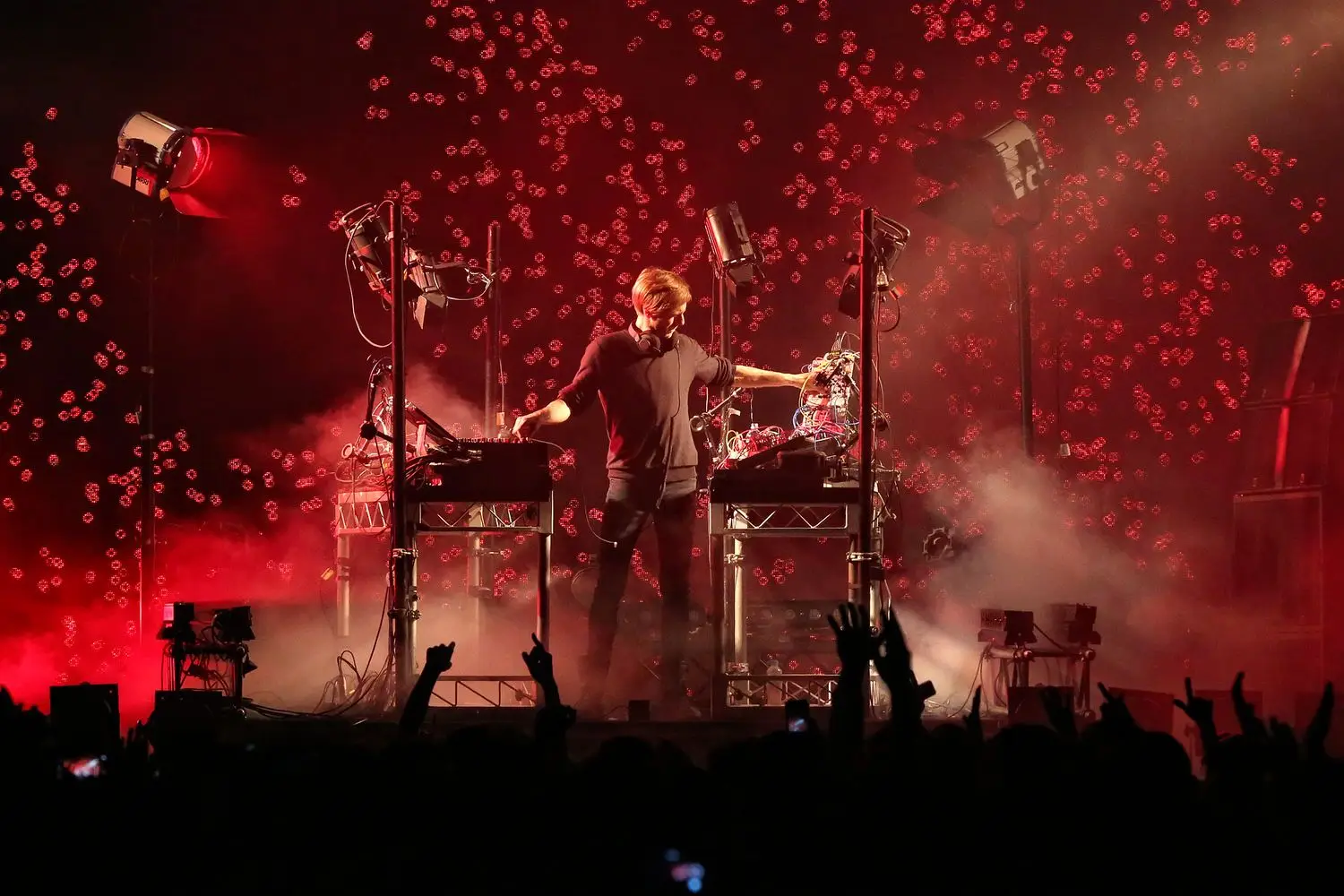
The experience of live music has been permanently expanded by the realisation that a show does not need to be constrained by the physical limits of a venue. Virtual concerts, which became a necessity during the global pause on gatherings, have matured into a sophisticated artistic medium that blends cinema, gaming, and live theatre. Artists now perform in photorealistic digital environments where the laws of physics are optional: a singer can float through a nebula, a rapper can command a cityscape that folds and rearranges itself with the beat, and a band can be beamed simultaneously into millions of individual headsets across the globe. For New Zealand audiences, geographically isolated from the traditional touring circuits of North America and Europe, virtual events offer a front-row experience that eliminates the airfare. The technology challenges the very definition of a concert, transforming a passive viewing session into an interactive, participatory event where the audience’s collective input can alter the visuals or the setlist in real time.
Advertorial
The production ecosystem that supports these events now rivals that of a blockbuster film. Dedicated studios with massive LED volumes, motion capture suits, and real-time rendering engines are being built to accommodate a regular slate of streaming shows. A virtual concert is not simply a camera pointed at a stage; it is a meticulously choreographed narrative that might include scripted interludes, avatar-driven mosh pits, and exclusive digital merchandise that exists only as a non-fungible token. The director, the game-engine programmers, and the lighting designers hold equal creative weight with the musical artist, creating a hybrid form of entertainment that pulls talent from sectors that rarely collaborated a decade ago. This convergence has opened up new career paths for digital artists and technologists in the music industry, shifting the centre of gravity from the touring bus to the server farm.
The economic model of the virtual concert is compelling for artists and promoters alike, as it removes the physical ceiling on ticket sales. A stadium show is limited by fire codes; a virtual venue can host an unlimited number of paying attendees across multiple time zones, with tiered pricing that offers standard video streams, backstage meet-and-greet simulations, or premium avatar skins. This scalability means that a mid-tier artist who could fill a theatre in a few cities can now sell a hundred thousand tickets for a single spectacular event, altering the entire calculus of a release campaign. However, the economics also carry a risk of cannibalising the traditional tour, which remains the lifeblood of artist income. The industry is navigating towards a hybrid model where virtual shows serve as a global marketing engine that drives demand for intimate, in-person club gigs and festival appearances that carry a premium precisely because they are scarce and authentically human.