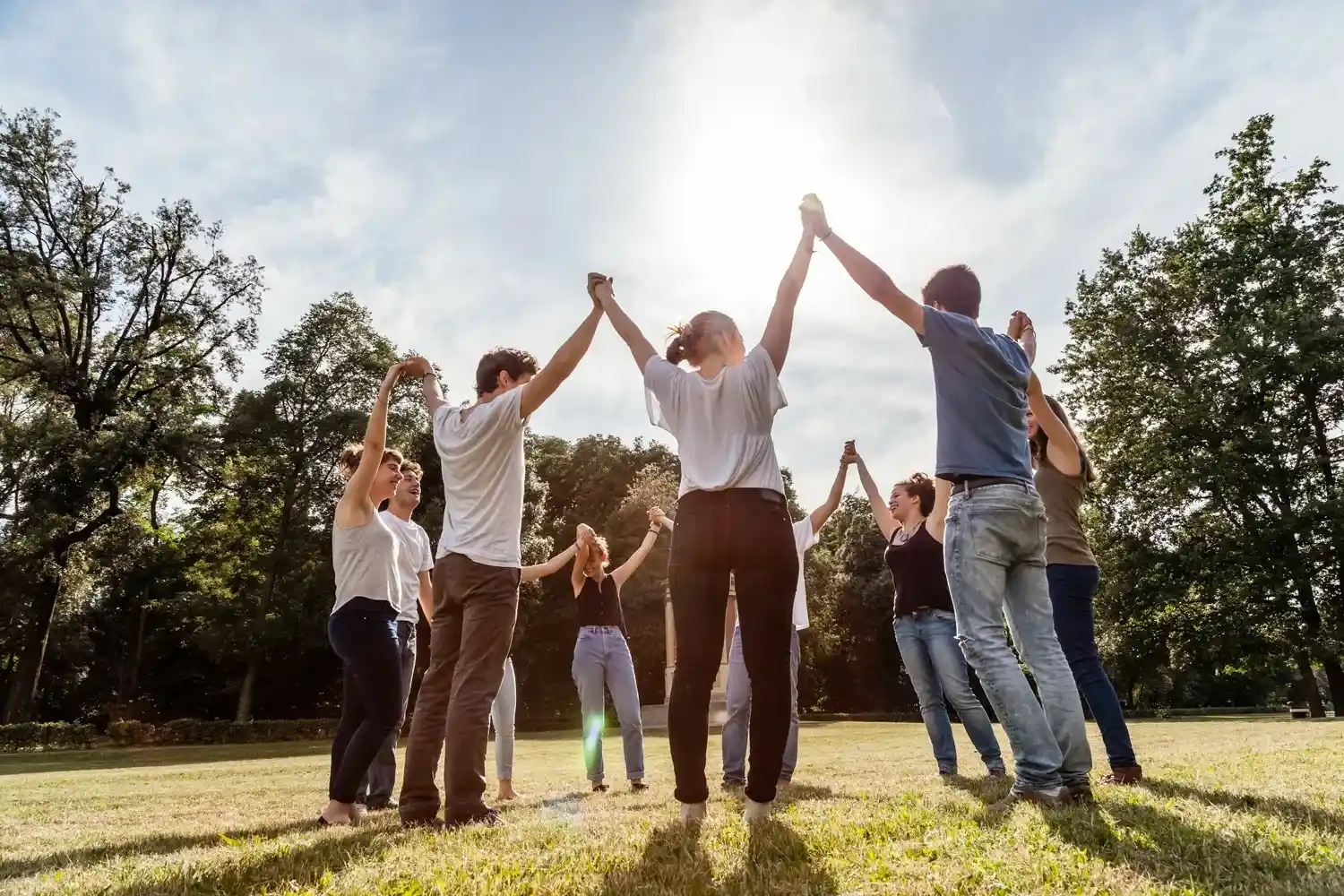
A palpable shift has occurred in neighbourhoods across New Zealand as people actively seek out face-to-face gatherings after a prolonged period of digital saturation. While video calls and social media platforms served as a lifeline for several years, the realisation has dawned that a “like” or a comment cannot substitute for the warmth of a shared smile or the spontaneous conversation that arises while waiting in line at a local sausage sizzle. Community halls, public parks, and marae are once again buzzing with the energy of book clubs, repair cafés, and weekend market days. This resurgence is not merely a nostalgic retreat to the past; it represents a deliberate effort to combat the loneliness epidemic that researchers have identified as a major public health concern. The simple act of gathering to plant trees, knit blankets for charity, or learn a traditional craft together stitches resilience into the social fabric, creating networks of informal support that are invaluable during personal hardship or natural disasters.
Advertorial
The structure of these revived events is notably more inclusive and diverse than many of their predecessors. Organisers are placing a strong emphasis on intergenerational participation, where kaumātua share knowledge with rangatahi, and recent migrants are encouraged to showcase their culinary and artistic traditions. A community potluck in Wellington, for example, might feature a table laden with pāua fritters alongside injera and Ethiopian stews, the food acting as a universal language that breaks down barriers. Local councils have recognised the profound value of this trend and are redirecting funding from large-scale spectacle projects to grassroots initiatives that empower residents to design their own activities. Seed-funding a street party or a community theatre production provides a higher return on social cohesion than many top-down programmes. The focus is on placemaking, transforming underused public spaces into vibrant living rooms for the community, complete with seating, shade, and noticeboards advertising everything from yoga classes to chess clubs.
The economic ripple effects of a thriving community events calendar are often underestimated. When a suburb hosts a regular night market or a film screening in the park, foot traffic increases for local dairies, cafés, and bookshops that might otherwise struggle against large shopping malls. Temporary stalls give budding entrepreneurs a low-risk platform to test their products, from handmade candles to gourmet relishes, without the crippling overhead of a permanent retail lease. These micro-economies are built on personal relationships; the customer knows the baker’s name and the baker knows how the customer likes their sourdough. This trust-based commerce fosters loyalty that no algorithm can replicate. Furthermore, the events themselves create meaningful volunteer opportunities for teenagers and retirees alike, building CV-worthy skills in logistics, marketing, and conflict resolution that ripple out into the formal job market.