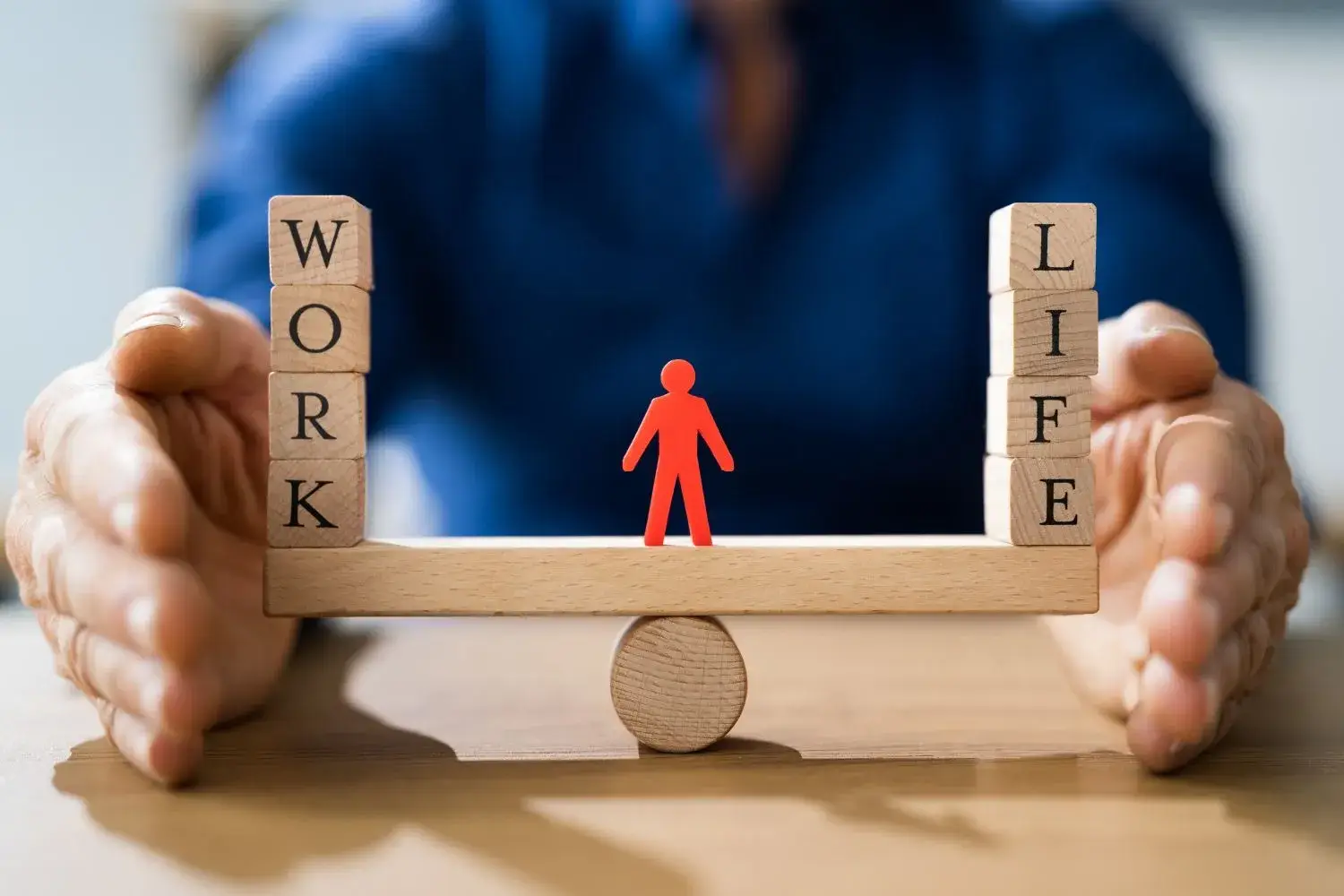
The concept of leaving work at the office door dissolved completely when kitchen tables transformed into conference rooms and bedrooms doubled as corner offices. Now that the acute phase of remote work has settled into a permanent hybrid model for many New Zealand businesses, a collective conversation is taking place about what balance actually means when the boundaries are so porous. The traditional nine-to-five structure has given way to an asynchronous mosaic, where parents might block out midday hours for school pick-ups and log back on after the children are asleep. While this flexibility is often framed as the ultimate perk, it also carries the risk of stretching the working day into a shapeless, twenty-four-hour availability that erodes rest. Redefining the rhythm of labour in this new landscape requires deliberate architecture, both at the policy level and within the personal discipline of the individual worker.
Advertorial
Employers who are navigating this terrain successfully have moved beyond simply measuring hours logged and are focusing on output, trust, and team cohesion. The abandonment of presenteeism as a performance metric has been liberating for many, particularly for those with chronic illnesses or disabilities who can now manage their energy levels more effectively without the draining commute. Yet the virtual environment creates its own pressures, such as the expectation of an instant reply to a chat message or the subtle guilt associated with a status indicator showing “away”. Managers are learning to articulate clear norms, such as “no meeting Fridays” or mandatory blocks of deep-work time where instant messaging is paused across the organisation. The goal is to protect employees from the burnout that flows from constant context-switching, a cognitive tax that leaves individuals feeling frazzled despite being seated at a desk all day.
The physical dimension of hybrid work has triggered a mass reconfiguration of New Zealand homes, with a surge in demand for dedicated office spaces and soundproofed garden studios. The psychological benefit of being able to close a door on one’s workstation at the end of the day cannot be overstated. When a laptop sits on a dining table, the temptation to check one last email while the kettle boils is relentless, and this blurring stops the brain from fully disengaging. The commute, once viewed as a source of stress, is now understood by many to have served an important transitional ritual that mentally bookended the professional day. Without it, individuals must invent new rituals, such as an evening walk with the dog, a session of stretching, or a moment sitting in the garden with a cup of tea, to signal to the nervous system that work has ceased. These micro-boundaries are the scaffolding upon which sustainable hybrid careers are built.