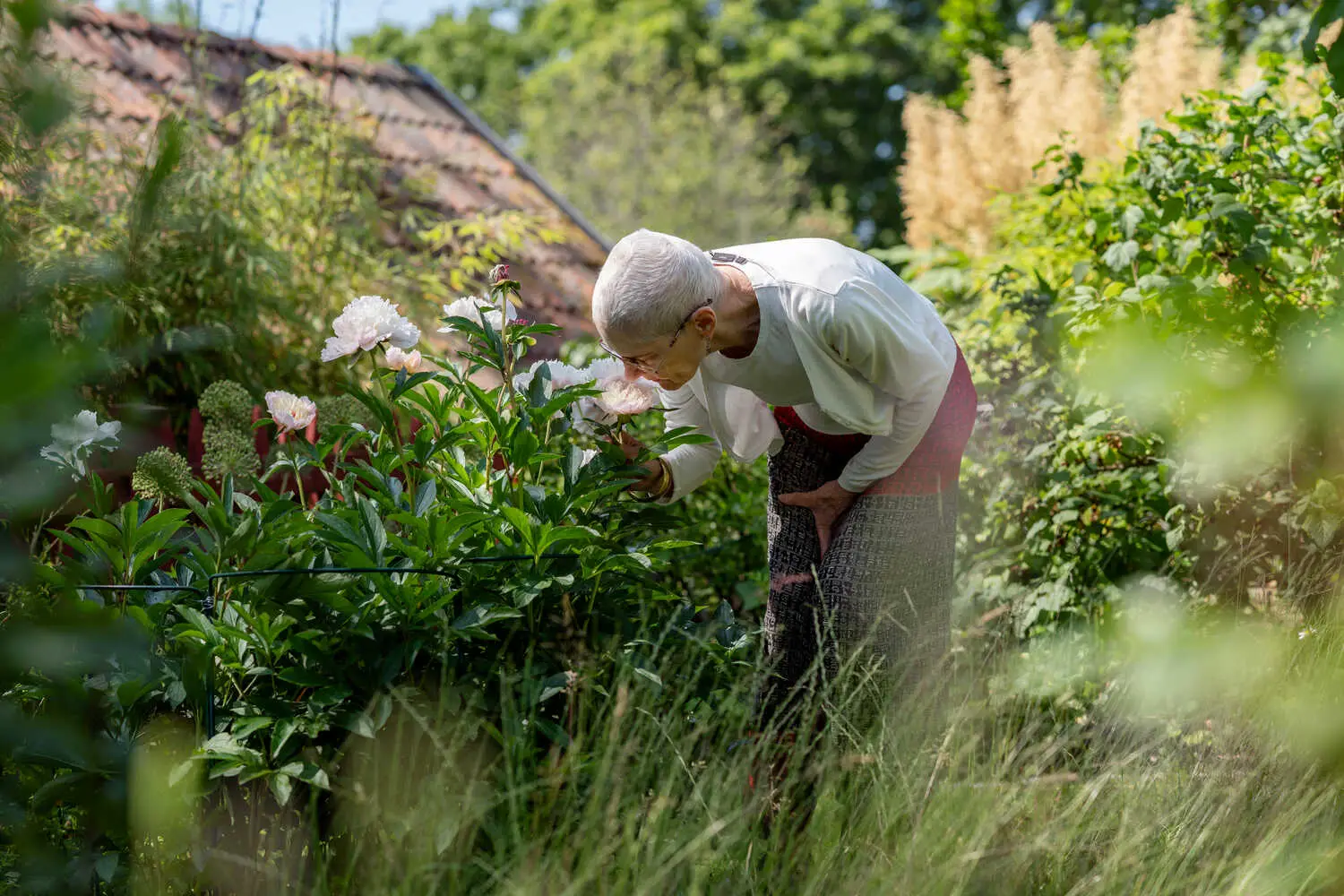
Social connection flourishes in gardening contexts, often in ways that bypass the awkwardness of forced socialising. A surplus of zucchinis or a bumper crop of feijoas becomes social currency, prompting doorstep drop-offs and conversations with neighbours who might otherwise remain strangers. Community gardens, in particular, serve as a melting pot where retired factory workers teach young flat-dwellers how to espalier fruit trees, and new migrants share ancestral knowledge of plants like taro or bitter melon that are perfectly suited to the northern climate. This exchange of skills and stories weaves a safety net of mutual aid, and the act of collectively tending a shared space fosters a sense of collective ownership and civic pride that reduces vandalism and neglect. In a society grappling with isolation and fragmentation, a cucumber vine trailing over a shared fence can be a surprisingly effective ambassador for human connection.
Advertorial
The ecological dimension of home gardening aligns personal wellbeing with planetary health. Replacing a sterile lawn with a diverse array of flowering natives, fruit trees, and insectary plants creates a stepping stone for pollinators like bees and butterflies whose habitats are under pressure. Building soil through composting food scraps diverts organic waste from landfills, where it would otherwise generate methane, a potent greenhouse gas. Harvesting rainwater in a barrel and choosing drought-tolerant species reduces pressure on municipal water supplies. For the individual gardener, this sense of contributing to a larger, life-sustaining system provides a purpose that transcends the self. Witnessing a flock of wax-eyes flitting through a kōwhai tree that was planted as a bare twig five years earlier is a profound affirmation that one’s daily actions are part of a regenerative cycle, not merely a buffer against eco-anxiety but a proactive participation in healing.
To start a garden is to embrace a practice of hope, a commitment to a future harvest that requires faith and steady work. It does not demand a sprawling rural block; a few pots of herbs on a sunny apartment windowsill can initiate the same beneficial relationship. The key is to begin with what is manageable, to accept the lessons offered by pests and weather, and to measure success not only by the weight of the harvest but by the minutes of calm found while deadheading flowers at dusk. As a wellbeing tool, gardening is uniquely accessible, endlessly adaptable, and free of the side effects that accompany many pharmaceutical interventions for stress. It returns to the individual a fundamental recognition that human beings are organisms within an ecosystem, and that tending to a small patch of earth is, in a very real sense, tending to the self.