Generational perspectives on this shift reveal an interesting fault line. Mid-career professionals who spent a decade building networks through in-person interactions often lament the loss of spontaneous mentoring that occurs when a junior team member overhears a challenging client call and can ask questions immediately afterwards. Apprentices and new graduates, meanwhile, risk missing out on the unspoken rules of office culture, the informal learning that accelerates professional identity. Progressive organisations are addressing this by designing intentional in-office days that are dense with collaborative workshops, social lunches, and skills-sharing sessions, rather than wasting the commute simply to sit on video calls from a different desk. The office is evolving from a factory floor of individualism into a clubhouse for connection and creativity, a place where culture is woven and strengthened.
Advertorial
From a regulatory and economic standpoint, the hybrid model is also reshaping cities. Central business districts can no longer rely on the captive audience of a full-time workforce to sustain cafés, dry-cleaners, and retail outlets. This has prompted a push to convert some commercial tower space into residential apartments, breathing life into downtown areas after six in the evening. Local councils are looking at rezoning to encourage mixed-use neighbourhoods where people can live, work, and access services within a fifteen-minute radius, drastically reducing the carbon footprint associated with long-haul commuting. In a country where housing affordability is a persistent concern, the ability to work for an Auckland-based company while living in a smaller town with lower rent has the potential to redistribute opportunity, provided broadband infrastructure is equitable. This geographical freedom is one of the most transformative, yet unevenly distributed, consequences of the hybrid revolution.
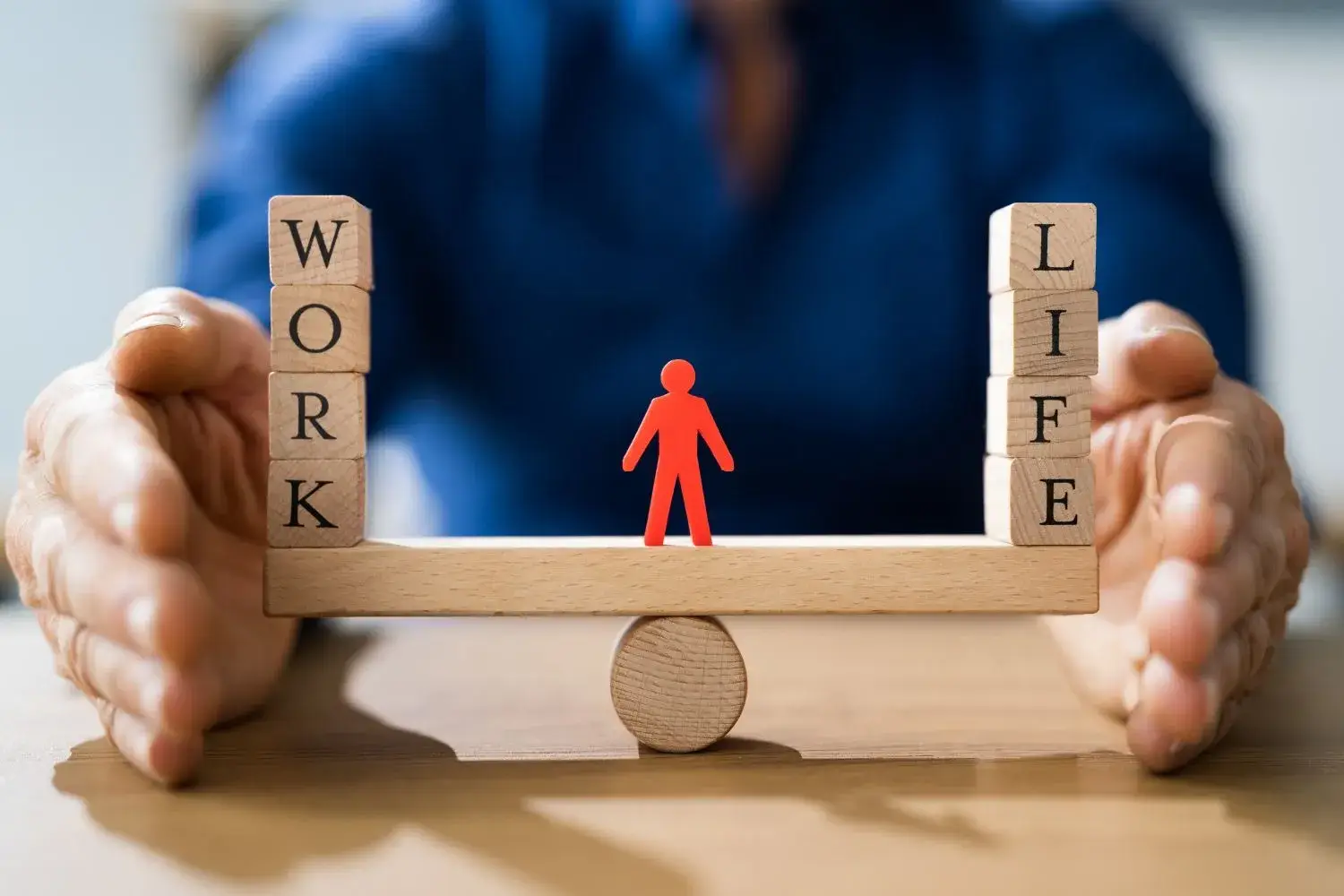
Ultimately, crafting a personalised work-life equation requires honest self-reflection about one’s own peak productivity periods, family needs, and the activities that genuinely replenish energy rather than just passing time. It also demands a collective move away from valorising busyness as a status symbol. A culture where a leader openly talks about attending their child’s kapa haka performance during the day and finishing a report in the evening gives permission for others to do the same. The machinery of the economy can be re-engineered to accommodate human life, rather than demanding that human life contort itself to fit an industrial-era schedule. The most profound success metric of the hybrid era may not be a quarterly earnings figure but the number of workers who can honestly say they feel present both in their jobs and at their dinner tables. The quest for that equilibrium is ongoing, and its outcome will define the social contract of employment for a generation.