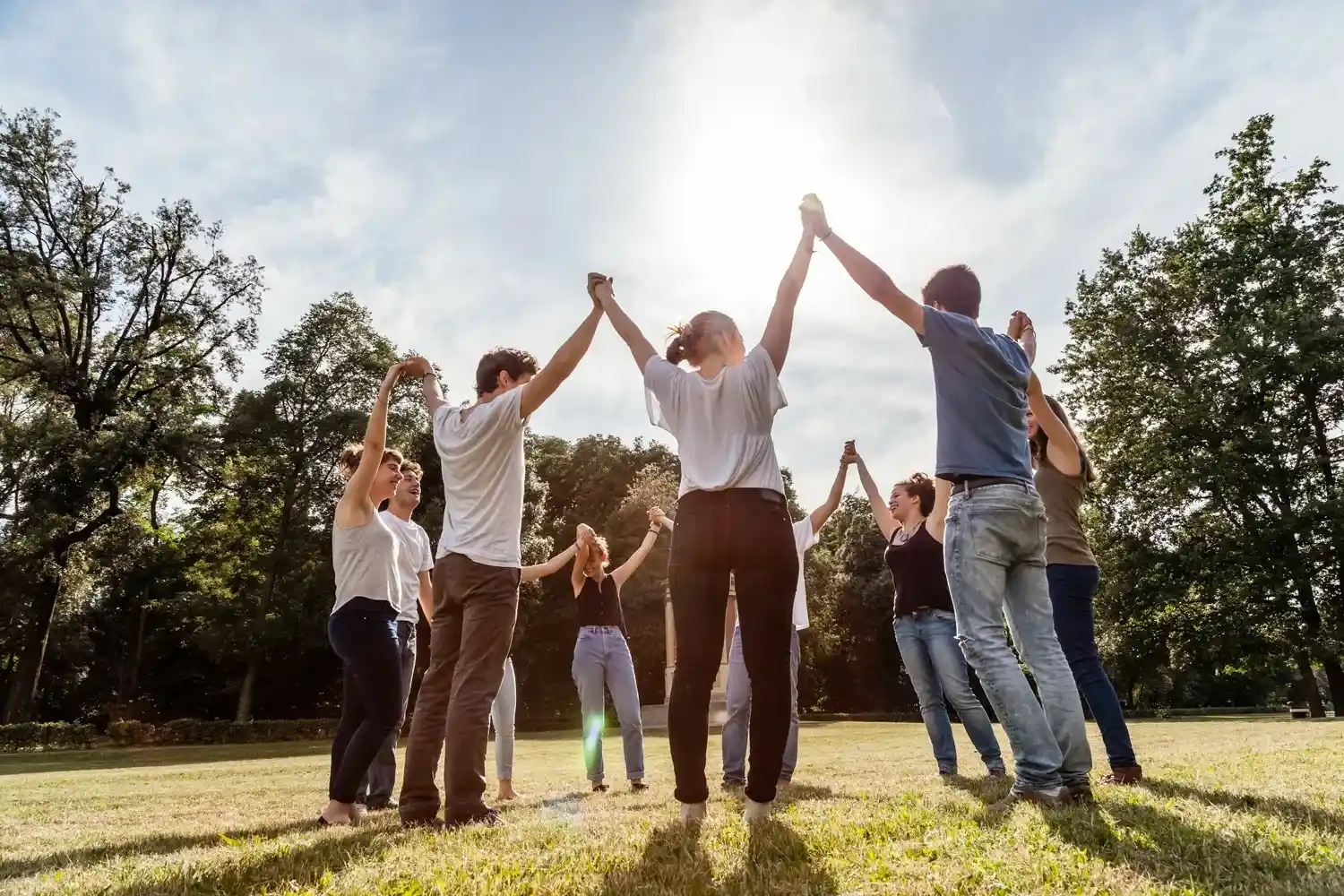
From a wellbeing perspective, the health dividend of these gatherings is substantial. Social isolation is linked to increased risks of cardiovascular disease, depression, and cognitive decline, and regular engagement with a community group acts as a buffer against these outcomes. A weekly knitting circle or a men’s shed not only keeps hands busy but also provides a confidential space where individuals can talk through worries before they escalate into a crisis. Physical events like group bike rides or community garden working bees also tackle sedentary lifestyles in a setting that feels more like fun than a gym workout. For older residents who have lost a spouse, the routine of a Monday morning coffee group can become a lifeline to a world that might otherwise shrink to the four walls of a living room. Young parents, too, find solace in playgroups where they can share the trials of sleepless nights and realise they are not alone in their struggles.
Advertorial
Technology, somewhat ironically, plays a supporting role in the logistics of this analogue revival. Hyper-local social media groups and platforms like Neighbourly are used not as a replacement for interaction but as a bulletin board to coordinate it. A quick post asking for volunteers to dig a community vegetable patch can result in a dozen shovels appearing on a Saturday morning, the digital ping serving merely as the spark for physical action. Eventbrite and Facebook events help manage RSVPs, but the true measurement of success is the noise and laughter that fills a physical space. These tools are being used with a new maturity, one that acknowledges their power to mobilise while resisting their tendency to atomise. Groups that were formed purely online during lockdowns have deliberately transitioned to the physical world, understanding that the nuance of body language and the serendipity of bumping into a neighbour in a queue are irreplaceable ingredients of community life.
Looking ahead, the durability of this movement depends on the continuous renewal of its volunteer base and a resistance to bureaucratic creep. The most successful events maintain a deliberately low barrier to entry: no membership fees, no complex sign-up forms, and a firm principle that everyone, regardless of background, has something to contribute. Community resilience, whether in the face of economic uncertainty or climate-related weather events, correlates directly with the number of people who know each other’s names on a street. A neighbourhood that holds a monthly barbecue and a seed-swap is far more likely to check on an elderly neighbour during a heatwave or organise a meal train for a family in crisis. This fundamental truth is being rediscovered in towns and cities across the country, confirming that the pixel can never truly replace the person. The laughter echoing from a community hall on a rainy night is a powerful testament to the enduring human need to gather, share, and belong.