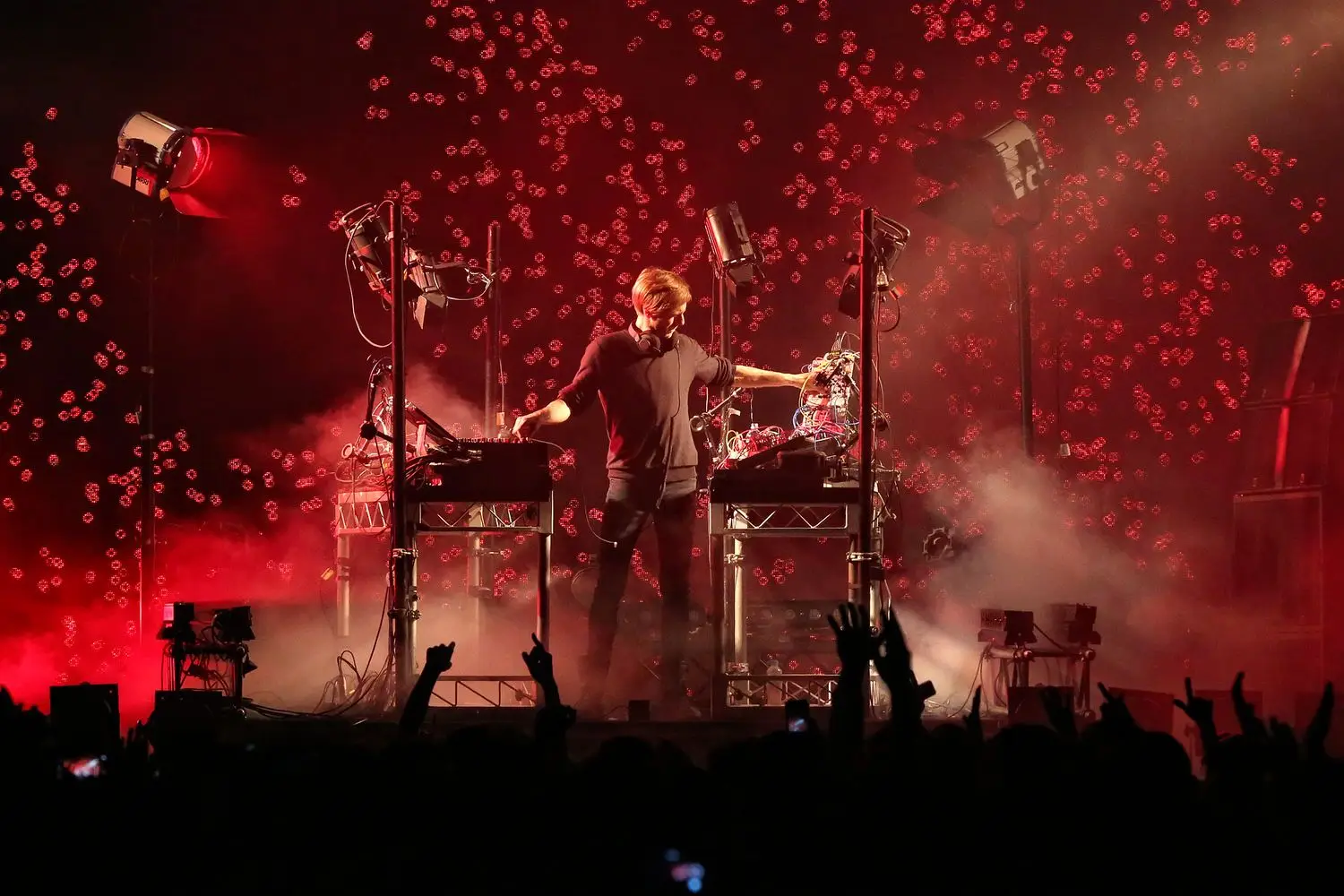
The social dimension of virtual concerts is where the most radical experimentation is taking place. Platforms are integrating spatial audio and haptic feedback so that a fan can feel the bass in their chest through a wearable vest, while their avatar waves a virtual lighter alongside others in a crowd that represents a real-time map of global listenership. The loneliness of watching a stream on a laptop is being replaced by a sense of co-presence, where friends can meet in a virtual lobby, chat over the opening act, and dance together as animated representations of themselves. These platforms are becoming persistent social worlds, not unlike a gaming universe, where the concert is the headline event within a broader ecosystem of fan communities, listening parties, and artist Q&A sessions. The boundary between a fan and a friend, and between a concert and a shared life, continues to blur.
Advertorial
A valid concern that accompanies this digital migration is the preservation of the spontaneous, unpolished magic that defines a legendary gig. A version of a song played too fast because the drummer is feeding off the crowd, a lyric flubbed and turned into an inside joke, or the unexpected collaboration when a local hero jumps on stage, are moments that scripted virtual extravaganzas often struggle to replicate. The response from producers has been to build deliberate imperfection into the system: live branching narratives where the artist chooses one of several pre-planned tangents based on how they feel in the moment, or real-time audience polls that can steer the mood. The quest is to create a form of liveness that is native to the digital medium, one that does not simply mimic a physical show but invents a new grammar of risk and reward. A technical glitch, rather than being a disaster, can become a memorable moment of shared humanity, a reminder that there is a real person behind the avatar.
The future of live performance will not be a binary choice between a physical pit and a pixel. It will be a continuous spectrum where every physical festival has a richly produced digital twin, and every digital concert seeds the desire for a tactile, sweaty, real-world experience. The artist’s challenge is to design a career that moves fluidly along this spectrum, leveraging the global reach of the virtual to fund the intimate authenticity of the local. For the fan, this era promises unprecedented access, but it also demands a new kind of discernment: knowing when a screen is enough and when the soul truly requires the sonic vibration of a bass guitar through a wooden floor. The music industry has learned that the show need never end; it just changes form, and the audience, wherever they are, will continue to seek out the sound.