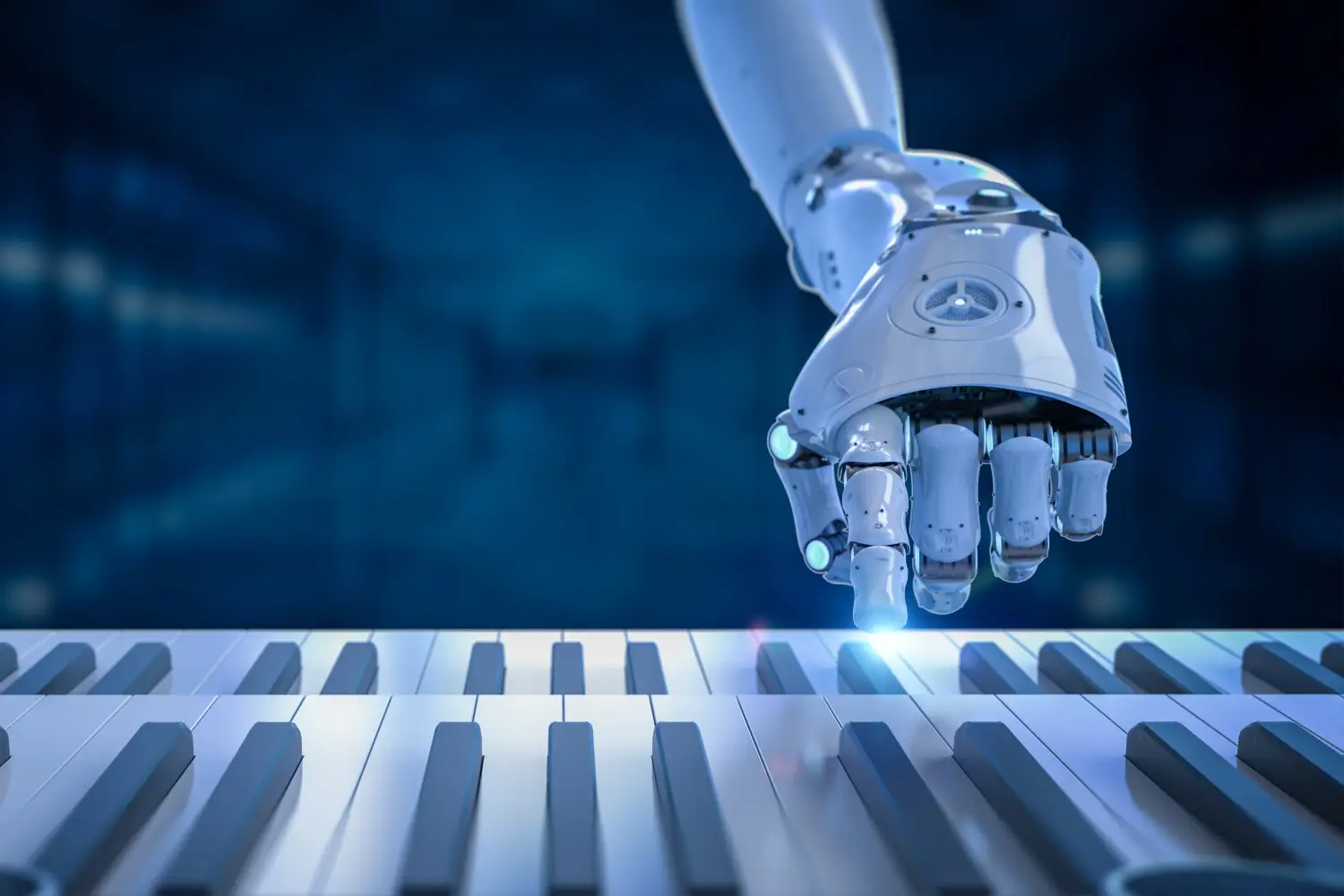
In the vocal domain, deep learning models can now synthesise singing voices that are emotionally expressive and indistinguishable from a human singer. An artist can create a full choral arrangement using only their own voice transformed into soprano, alto, tenor, and bass, or they can license a digital clone of a famous voice to deliver a hook that they themselves cannot sing. The ethical implications are immense. Estates of deceased artists face the decision of whether to allow a posthumous vocal performance, a digital séance that can produce a new song that the artist never approved. The technology can also be weaponised for deepfake voice scams, requiring the industry to develop watermarking and provenance standards that trace a track back to its human origin. Yet for a songwriter with a brilliant idea but a thin voice, the ability to demo a song with a compelling vocal performance can be the difference between a record deal and a forgotten file on a hard drive.
Advertorial
The live performance space is integrating AI in ways that augment rather than replace the physical act of performing. Visuals generated in real time based on the tempo, dynamics, and emotional arc of a live set create a synaesthetic experience where the music shapes the lighting and projection in a fluid conversation. Electronic artists use machine learning to build instruments that respond unpredictably to their touch, creating a live improvisational dialogue with a non-human partner. This pushes the performance away from a sterile playback of a backing track towards a genuinely risk-filled event where even the performer does not know exactly what will happen next. The audience, in turn, witnesses a unique, unrepeatable moment that stands in stark contrast to the perfectly polished, infinite replayability of a recorded stream. The value of the concert ticket, in this scenario, is anchored in the irreproducible human-machine symbiosis.
As the technology accelerates, the music industry’s collective task is to establish a framework of consent, credit, and compensation that allows innovation to flourish without extinguishing the human spirit that makes music matter. When a young Māori producer uses an AI to incorporate the rhythms of taonga pūoro into a drill beat, they are engaged in a form of cultural preservation and evolution that earlier generations could only dream of. The machine is a mirror, reflecting back the vast body of human musical creation; it has no intention, no heartbreak, no political fury. The songs that will endure are those that use the tools of artificial intelligence to say something true about the human condition, a truth that emerges from a specific life lived in a specific place. The studio door is wide open, and the new instruments have arrived. The task now is to play them with soul.