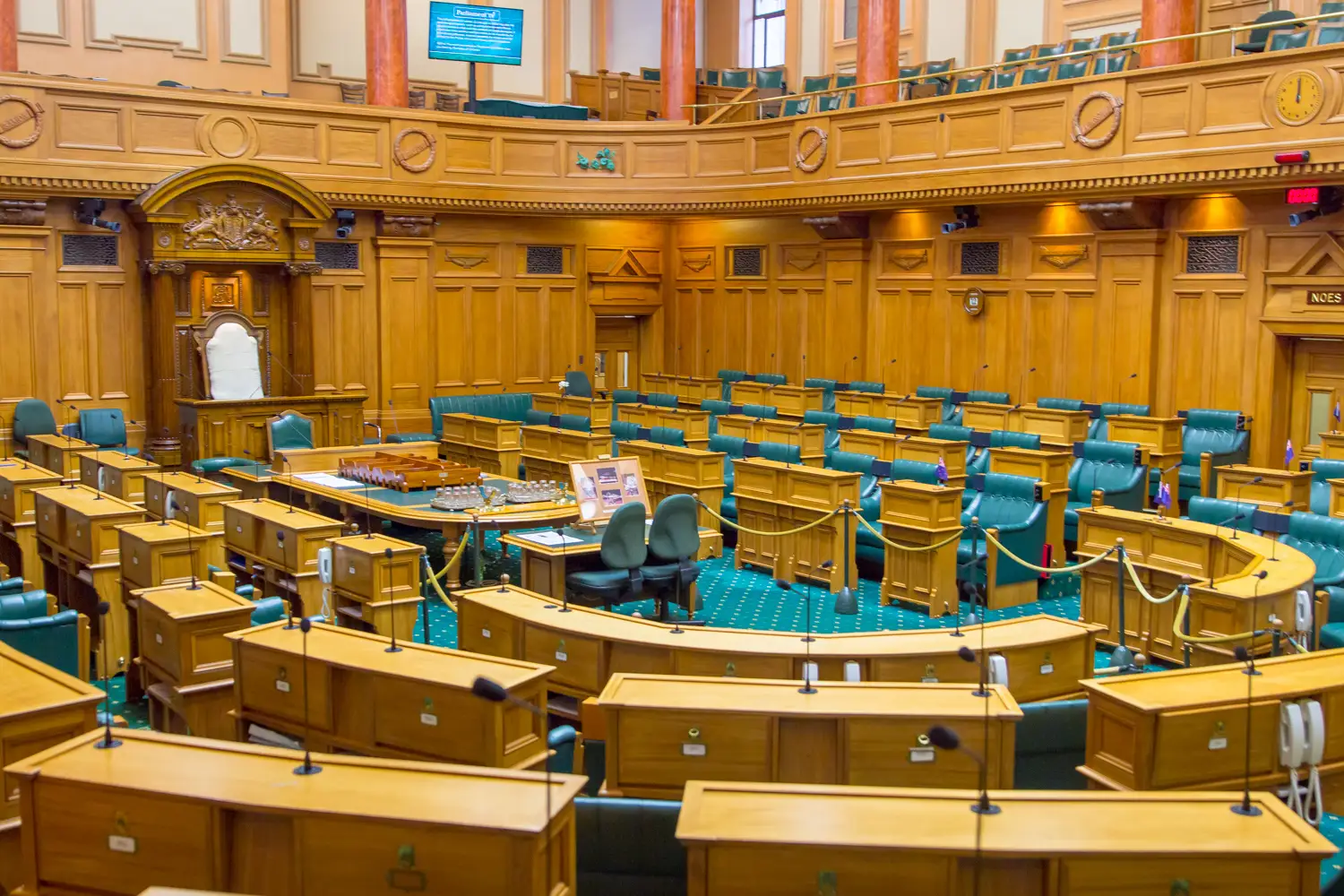
The asymmetry of resources is the most fundamental structural challenge. A large industry body can afford to maintain a permanent office in Thorndon, employ full-time analysts, commission economic modelling, and host regular events where policymakers are guests. A community group advocating for renters’ rights, a school climate strikers’ union, or a kaumātua-led trust seeking to protect a culturally significant coastal area operates on a shoestring and often relies on voluntary labour. Their power lies not in financial muscle but in moral authority, storytelling, and the capacity to mobilise public opinion through media and direct action. Policy-makers who are consciously aware of this asymmetry can take steps to correct it, actively seeking out the voices that do not have the budget to hire a government relations firm. This requires a deliberate effort, a kind of affirmative listening, that does not come naturally to a system under time pressure.
Advertorial
The lobbying industry itself has argued for a more formalised framework to distinguish professional, ethical advocacy from shadowy influence-peddling. A public register with statutory backing would allow lobbyists to demonstrate their professionalism and would give the public the confidence that meetings are a matter of record. Such a register would not demonise the act of lobbying; it would normalise and sanitise it, bringing a profession that operates in the grey light into the disinfecting sunshine. The obstacles to such a reform are political: those who benefit from the current opacity have little incentive to change the rules. The momentum for transparency therefore depends on sustained pressure from civil society, the media, and the minority of politicians who make democratic integrity a personal priority. It is a classic problem of reform, where the concentrated interests of the few must be overcome by the diffuse interest of the many.
Ultimately, the influence of lobby groups on policy is a shadow play at the heart of democratic capitalism. The system works best when advocacy is transparent, when decision-makers are clear about their own biases and obligations, and when the public has the tools to hold them to account. Lobbying can alert a minister to an unintended consequence of a bill that would destroy a regional industry, and in doing so, it improves the law. The same mechanism can also carve out a loophole for a single corporation that shifts costs onto the public. The difference between the two lies in the quality of the institutions, the scrutiny of the press gallery, and the vigilance of citizens who understand that democracy is not a spectator sport. The lobbyist’s whisper is only dangerous in the silence of an inattentive public.