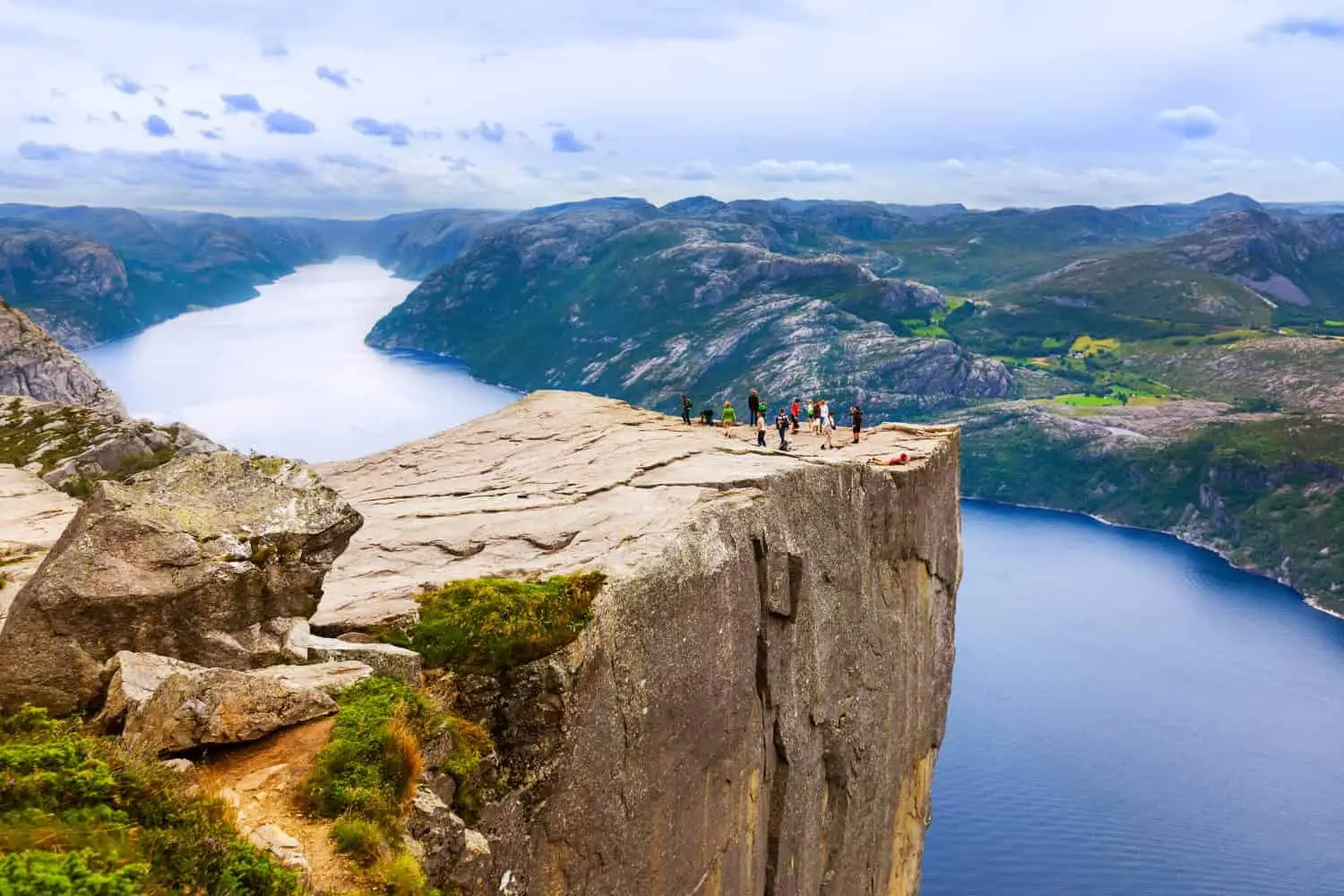
The natural world often puts on its most dramatic performances in the seasons that tourists avoid. The brief, blazing spectacle of arrowtown in autumn, when the deciduous trees ignite into a palette of crimson, gold, and orange, is an annual pilgrimage for photographers in the know, and it occurs after the school holidays have ended. The winter storms that lash the West Coast bring a wild, thundering energy to the glaciers and rainforests, a display of raw power that a placid summer afternoon cannot convey. The spring bloom in the Mackenzie Country, when the lupins flower in vivid carpets, is an ephemeral, fragile beauty that vanishes just as the peak tourist motorhomes begin to roll in. To experience these moments is to understand that a destination’s true character is often revealed when the weather is not being conventionally “good”.
Advertorial
Off-season travel also offers a solution to the problem of overtourism, which has strained infrastructure and frayed the patience of local residents in hotspots like Venice, Barcelona, and parts of the South Island. By dispersing the visitor load across the entire year, the pressure on water supplies, car parks, and walking tracks is eased, and the relationship between visitor and host becomes less adversarial. The traveller who arrives in a quiet month is seen less as a contributor to the problem and more as a welcome contributor to the local economy during a lean period. This shift in perception matters; it transforms a transactional stay into a more reciprocal exchange, where the visitor’s presence is genuinely valued rather than merely tolerated. The off-season traveller can feel that they are part of a sustainable tourism model, not a participant in a system that is eroding the very beauty it sells.
The art of packing and preparing for an off-season trip is a skill that, once mastered, unlocks a lifetime of richer travel. It requires layers, a willingness to adapt plans based on a weather forecast, and the wisdom to book accommodation with a fireplace or a good heating system. The reward for this minor logistical effort is a profound sense of peace, the kind that descends on a misty vineyard, an empty museum gallery, or a rugged beach where the only footprints are one’s own. The world’s most beautiful places do not switch off when the peak season ends; they simply put on a different, more intimate show for those who are willing to step outside the calendar and claim the quiet.