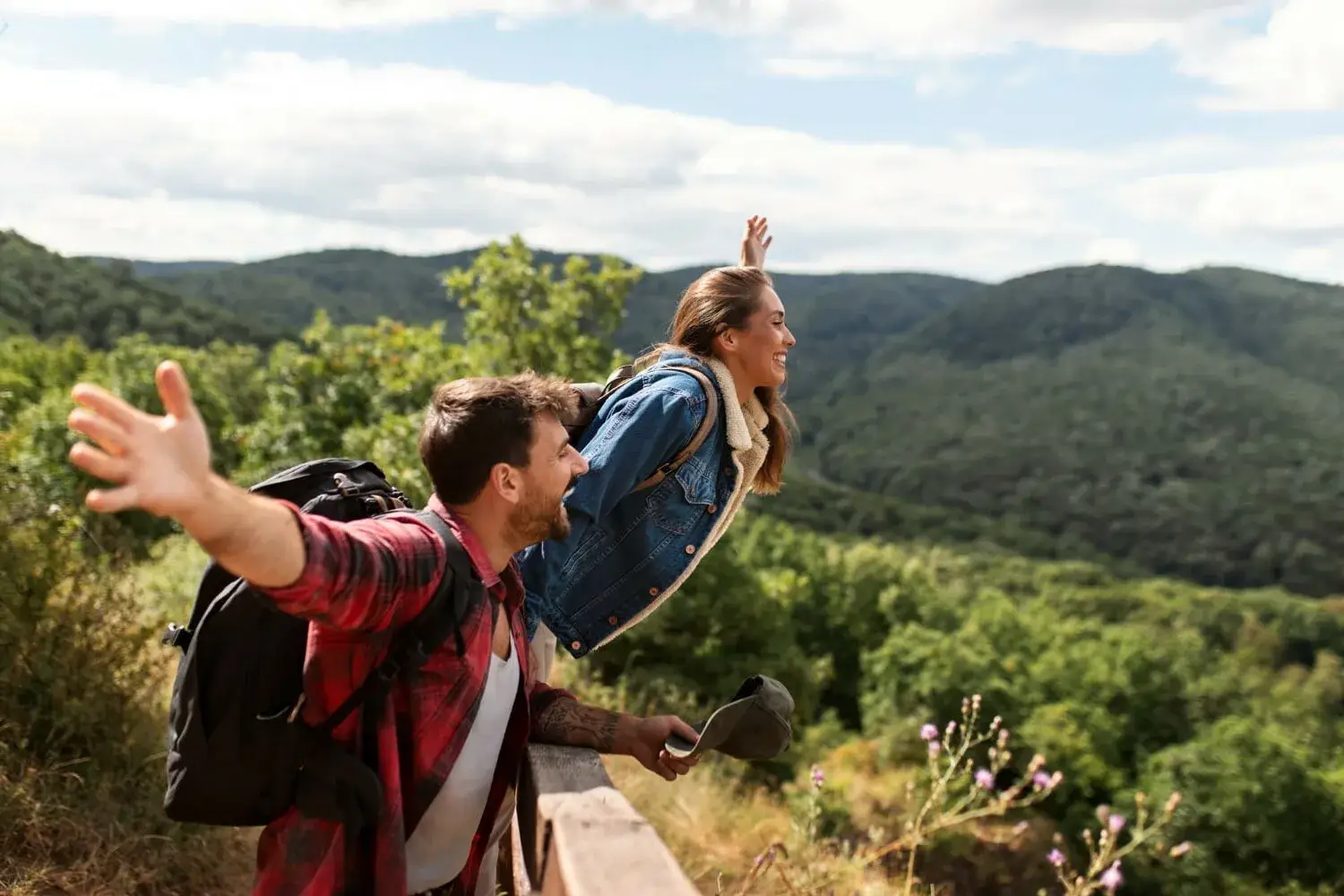
Economically, slow travel redirects tourist spending away from the international hotel chains and tour operators and towards the local economies of small towns and rural communities. A traveller who stays for a month in a family-run bed and breakfast in the Catlins, buys groceries at the local market, pays for a weaving workshop with a local artist, and visits the pub each evening is injecting a steady, meaningful stream of revenue into a place that may not feature on any cruise ship itinerary. This form of tourism is more resilient to external shocks and less parasitic, as it fosters relationships of mutual respect rather than a transactional exchange of money for a sanitised performance of local culture. The host community, in turn, is more likely to welcome travellers who have demonstrated a commitment to understanding the place, not just passing through with a camera drone.
Advertorial
The digital connectivity that enables remote work has supercharged the slow travel trend, giving rise to the figure of the digital nomad who is not on a permanent holiday but is simply living their ordinary working life in a beautiful location. A software developer might spend a southern winter in Queenstown, working New Zealand hours and using weekends and evenings to explore the surrounding trails and ski fields. This blurs the line between travel and life to such a degree that the traveller ceases to be a tourist and becomes, for a season, a temporary local. The economic and visa implications of this trend are complex, and governments are adjusting policies to attract these long-stay remote workers, who spend significantly more in the local economy than a short-term visitor. The challenge for the individual is to avoid the trap of working so much that the landscape outside the window becomes mere wallpaper, a problem solved by strict time boundaries and a conscious effort to disconnect.
Slow travel, at its core, is a practice of attention. It asks the traveller to notice the way the light falls on a ridgeline, the particular accent of a farmer at the market, the taste of a cheese made from the milk of goats that graze on the hill visible from the kitchen window. It is an approach that acknowledges that a place cannot be truly known in forty-eight hours, and that the most profound experiences arise not from collecting landmarks but from settling into a single landscape long enough to let it settle into the self. As the world’s transport networks become ever more efficient at moving bodies, the luxury of staying still and moving slowly is becoming the most radical and rewarding choice a traveller can make.