Home Uncategorized
Category:

Uncategorized

Advertorial

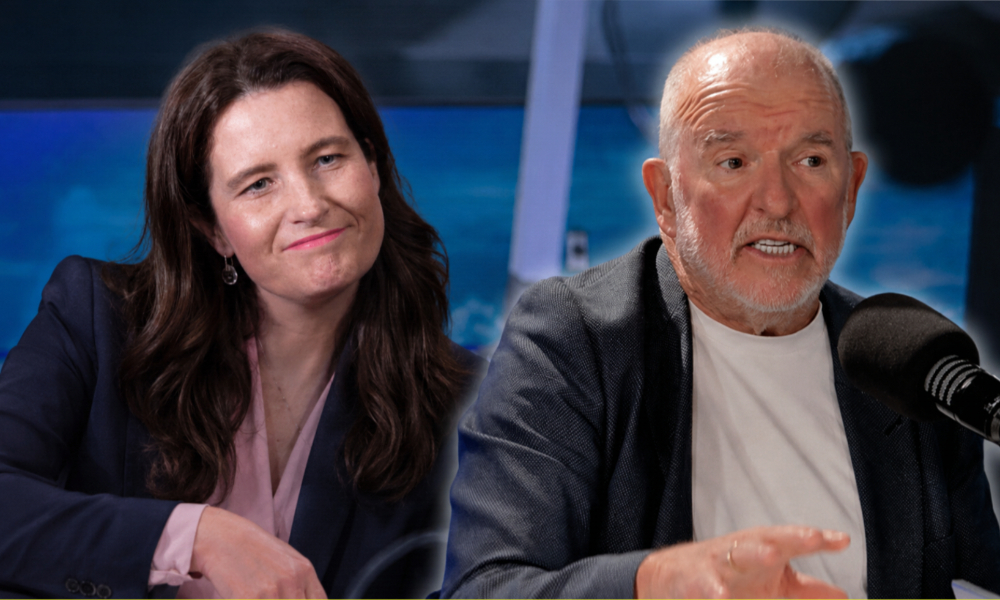
Nicola Willis’s budget has sparked a fresh wave of controversy following comments by Barry Soper

New Zealand’s Finance Minister, Nicola Willis, has once again found herself in the spotlight after the well-known political commentator Barry Soper made some controversial remarks about her economic strategy and budgetary policy.

His remarks quickly spread across news websites, radio broadcasts and social media, sparking a lively debate across the country.

What Barry Soper noted

The discussion was prompted by Nicola Willis’s speech on the government’s economic priorities and the future state budget.

Analysing her statements, Barry Soper highlighted the growing pressure the government faces amid an economic slowdown, a high cost of living and expectations from voters.

According to the journalist, the government is currently having to make the most difficult decisions in recent years, as the public is demanding both spending cuts and additional support for the population.

These remarks immediately became a topic of discussion among politicians, experts and ordinary citizens.

An unexpected question put the minister in the spotlight

Particular interest was aroused by the question of how prepared the government is to fulfil its election pledges given its limited financial resources.

During the discussion on economic policy, Willis had to explain in detail how the government plans to strike a balance between cutting spending and funding key government programmes.

It was this point that sparked the most heated reaction on social media.

Users began debating whether the government’s plans were transparent enough and whether the announced measures would lead to an improvement in the economic situation.

Why this story has caused such a stir

Political analysts note that the discussion has long been about more than just the budget.

For many New Zealanders, the debate touches on a broader issue — how effectively the authorities are coping with the growing economic pressure on families and businesses.

That is why any statements made by the Minister of Finance today attract heightened attention.

Against this backdrop, Barry Soper’s comments have only heightened public interest in the topic.

Nikola Willis’s response

Nikola Willis herself continues to insist that the government is pursuing a responsible fiscal policy and making decisions with the country’s long-term interests in mind.

She has repeatedly emphasised that the main priority remains restoring sustainable economic growth and easing the pressure on public finances.

However, the debate over her policies shows no sign of abating.

Following Barry Soper’s comments, the discussion has gained fresh momentum, and questions about the government’s next steps have once again taken centre stage in the national spotlight.

Why the whole country continues to follow this story

Experts believe that interest in Nicola Willis’s statements will only grow as new economic decisions approach and financial forecasts are published.

A single speech, a single question and a single comment from a well-known journalist proved enough to reignite political debates across the country.

That is precisely why Barry Soper’s words and Nicola Willis’s reaction continue to be one of the most talked-about topics in New Zealand politics.

 

Advertorial

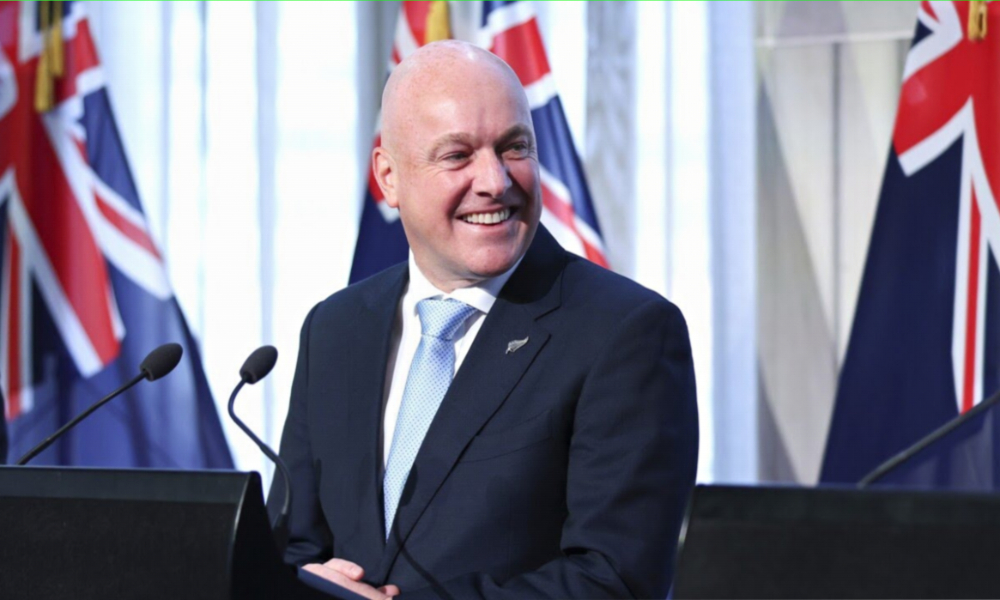
Christopher Luxon has found himself at the centre of a new public debate following a high-profile announcement regarding a government inquiry

New Zealand’s Prime Minister, Christopher Luxon, has found himself at the centre of a wide-ranging public debate following his address concerning one of the most far-reaching government inquiries in the country’s modern history.

This concerns a long-running investigation into cases of abuse of children and vulnerable adults in state, religious and specialist institutions.

Following the publication of the final report, the nation’s attention was riveted on the Prime Minister’s words.

One of the darkest moments in the country’s recent history

According to the findings of the official inquiry, hundreds of thousands of children, young people and vulnerable adults were subjected to abuse over decades in institutions that were supposed to provide safety and protection.

The report states that many cases occurred in children’s homes, boarding schools, medical institutions and religious organisations.

The report has caused a huge public outcry across New Zealand.

In an official statement, Christopher Luxon described what had happened as “horrific” and apologised on behalf of the state.

What exactly did Luxon say?

During his public statement, the Prime Minister acknowledged that the state system had let down a huge number of people.

He stated that many of those affected had waited far too long for recognition, justice and an official response.

It was precisely these words that quickly became one of the most talked-about topics in the New Zealand media and on social media.

Users actively discussed not only the fact of the apology itself, but also the question of why recognition had come only after so many years.

Why the situation provoked such a reaction

A particularly strong reaction was triggered by the fact that this was not a matter of isolated incidents, but a systemic problem spanning a vast period of the country’s history.

Public commentators began to ask: is a single official apology enough when we are talking about decades of alleged institutional failures?

Some called for further reforms, greater accountability and expanded support for the victims.

A broadcast being discussed across the country

Following the television coverage of the issue, clips of Luxon’s speech began to circulate widely online.

Political analysts note that such moments inevitably become the subject of widespread public debate, particularly when national responsibility and the state’s moral obligations are at stake.

Even measured language in such situations can provoke a powerful public response.

What happens next

The government has announced its intention to consider further measures to support those affected, as well as steps to strengthen safeguards for vulnerable groups.

However, the public debate is clearly far from over.

For many New Zealanders, the key question now is not only about acknowledging past mistakes, but also what concrete action will follow these statements.

Christopher Luxon remains in the spotlight as the debate on this issue continues to gather momentum.

Advertorial

Contact information

Cryptic Syllabus Ltd

18 Northland Street, Grey Lynn, Auckland 1021, New Zealand

info@cryptic-syllabus.com

Disclaimer

The information published on this blog page is provided for general informational and educational purposes only. While efforts are made to keep the content accurate and updated, no representation is made regarding the completeness, reliability, or accuracy of any information. Readers should independently verify details before making decisions based on the content published on this website.

2026 © All rights reserved